Sunscreen Guide: Healthy Options and SPFs We’re Loving

Sun protection is one of the most evidence-backed things you can do for your skin. Not debatable, not a trend. Decades of data confirm that daily broad-spectrum SPF reduces the risk of melanoma by up to 50%, slows visible signs of aging, and keeps pigmentation conditions from spiraling. The conversation, though, has evolved well beyond whether to wear sunscreen and into something more nuanced: what you’re actually putting on your skin, how it works, and whether the formula you’ve been loyal to is still the best choice. At Ever Green Living, we’ve always believed that informed skin care is better skin care. So we’re breaking down everything the science of physical versus chemical formulas, the conditions that tip the scales firmly toward mineral, and a look at the innovation happening abroad that’s quietly changing what great sun protection looks and feels like.
The Fundamental Difference: Shield vs. Sponge
Here’s the clearest way to think about it. Physical (also called mineral) sunscreens sit on top of the skin and act as a shield, deflecting and scattering UV rays before they ever reach the surface. Chemical sunscreens absorb into the skin and function more like a sponge drawing in UV radiation and converting it to heat, which is then released from the skin. The active ingredients tell the whole story. Mineral formulas use just two FDA-approved filters: zinc oxide and titanium dioxide naturally occurring minerals with centuries of documented use on skin. Chemical formulas rely on synthetic compounds like avobenzone, oxybenzone, octinoxate, homosalate, and octocrylene, which work through an active chemical reaction inside the skin itself.
That distinction has more implications than most people realize.

The Bloodstream Conversation
In 2019 and 2020, the FDA published a pair of landmark studies in JAMA that quietly shifted the conversation around chemical sunscreens. The findings: all six commonly used chemical UV filters tested including oxybenzone, avobenzone, homosalate, octisalate, octinoxate, and octocrylene were absorbed into the bloodstream at concentrations that exceeded the FDA’s own safety threshold of 0.5 nanograms per milliliter, after just one day of typical use.
Oxybenzone, the most common chemical filter, was particularly notable appearing in blood at concentrations 50 to 100 times higher than any other ingredient tested. Separate analyses have detected it in breast milk, urine, and plasma, with some participants showing elevated levels as long as 21 days after stopping use.
Researchers have also flagged the possibility that certain filters, particularly oxybenzone and octinoxate, may have endocrine-disrupting properties interfering with estrogen signaling and, in some studies, influencing thyroid and testosterone function. A 2023 review of 254 studies found mounting evidence that oxybenzone has endocrine-disrupting properties at doses typical of everyday sunscreen use. The science is ongoing, and the FDA has not drawn a definitive safety conclusion but the agency has made its concern clear by formally requesting additional safety data from manufacturers.
What does this mean in practice? For a dermatologist visit or a single beach day, the calculus hasn’t changed: sun protection matters more than the anxiety around any individual ingredient. But for daily, full-body, year-round use which is exactly what dermatologists recommend the question of what you’re absorbing every morning becomes more relevant. Mineral sunscreens, by contrast, are not systemically absorbed. Zinc oxide and titanium dioxide remain on the skin’s surface and have both been classified by the FDA as GRASE: generally recognized as safe and effective. The only two in that category.

Why We Prefer Physical at EGL
We’re not absolutists. But when we look at the full picture who’s asking us about skin care, what conditions they’re managing, and what the research says mineral sunscreen is the clearer recommendation for everyday wellness. Here’s why:
For sensitive skin and rosacea mineral filters are physically inert they don’t cause a chemical reaction on or inside the skin. Zinc oxide is naturally anti-inflammatory, making it far less likely to cause stinging, flushing, or redness. The National Rosacea Society specifically recommends zinc oxide and titanium dioxide formulas for this reason.
For eczema chemical filters are among the most common causes of contact dermatitis.The National Eczema Association recommends mineral sunscreens precisely because they’re far less likely to trigger a flare. Zinc oxide’s mild antimicrobial properties also offer secondary benefits for compromised skin barriers.
For melasma and hyperpigmentation this one surprises people. Melasma isn’t triggered by UV light alone it’s also worsened by heat and visible light. Because chemical sunscreens convert UV energy into heat before releasing it from the skin, they can exacerbate the very conditions people are trying to treat. Mineral formulas reflect UV without generating that heat response. For an even stronger melasma shield, look for tinted mineral formulas that include iron oxides, which have been shown to protect against the visible light wavelengths most likely to darken existing pigmentation.
For aging skin Zinc oxide provides one of the broadest UVA coverage profiles of any single sunscreen ingredient available. UVA rays the ones that penetrate deepest and drive the majority of skin aging are often undertreated by chemical formulas that rely on ingredients with narrower spectral range. And because mineral sunscreens don’t degrade under sunlight the way some chemical filters do, the protection stays reliable throughout the day.
For a cleaner overall routine If your skin care philosophy leans toward fewer synthetic actives absorbed into the body, mineral SPF is the natural anchor of that approach.

The One Honest Trade-Off
We’d be doing you a disservice if we didn’t name it: traditional mineral sunscreens can leave a white cast, particularly on medium to deep skin tones. The texture has historically been thicker, chalkier, and more resistant to blending. The good news is that this has changed dramatically. Micronized zinc oxide, tinted formulas with universal pigments, and hybrid mineral-plus-iron oxide SPFs have solved much of the finish problem. The category looks nothing like it did five years ago. What was once considered a dealbreaker is now, for most people, just a matter of finding the right formula.
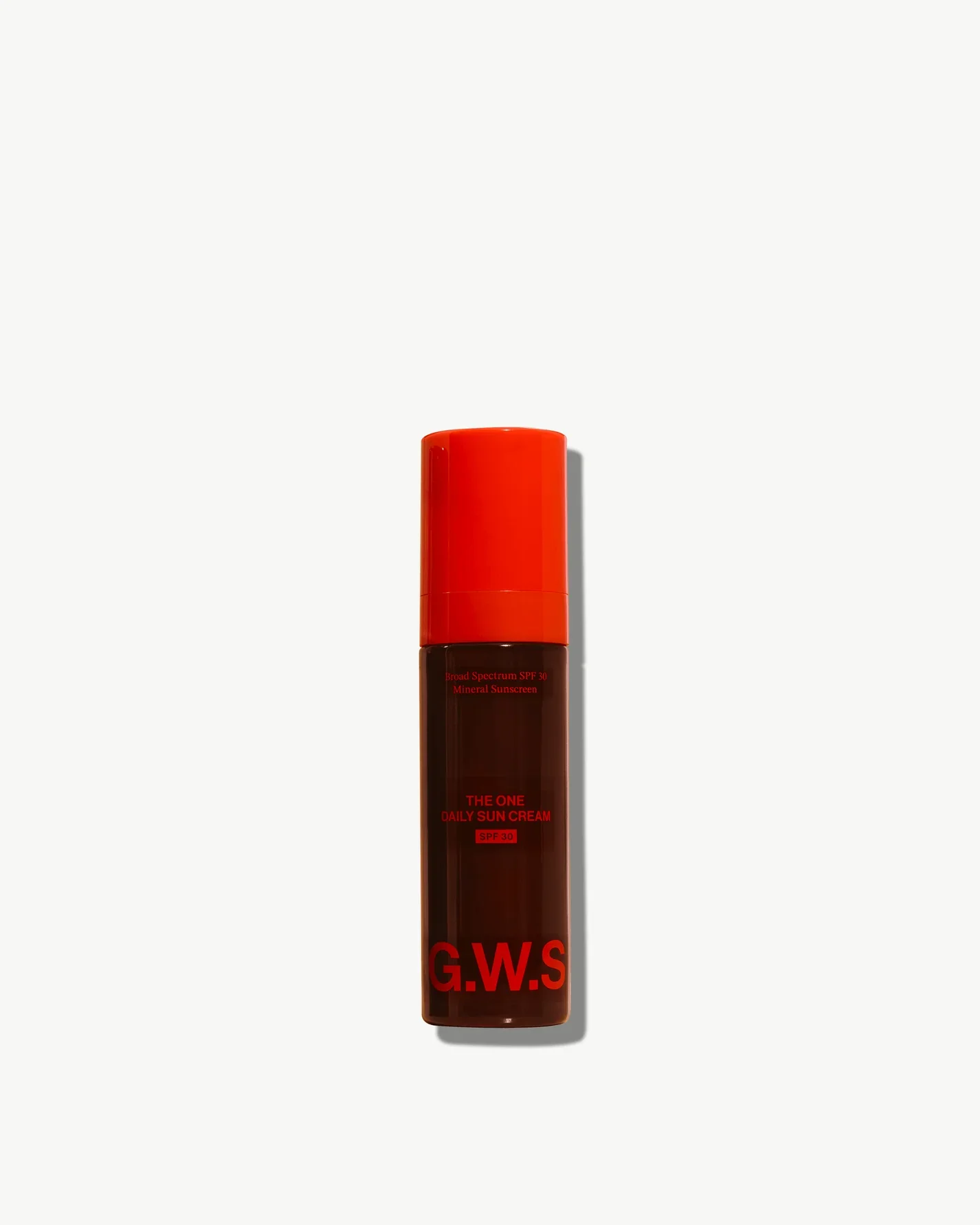
Shop EGL’s Edit
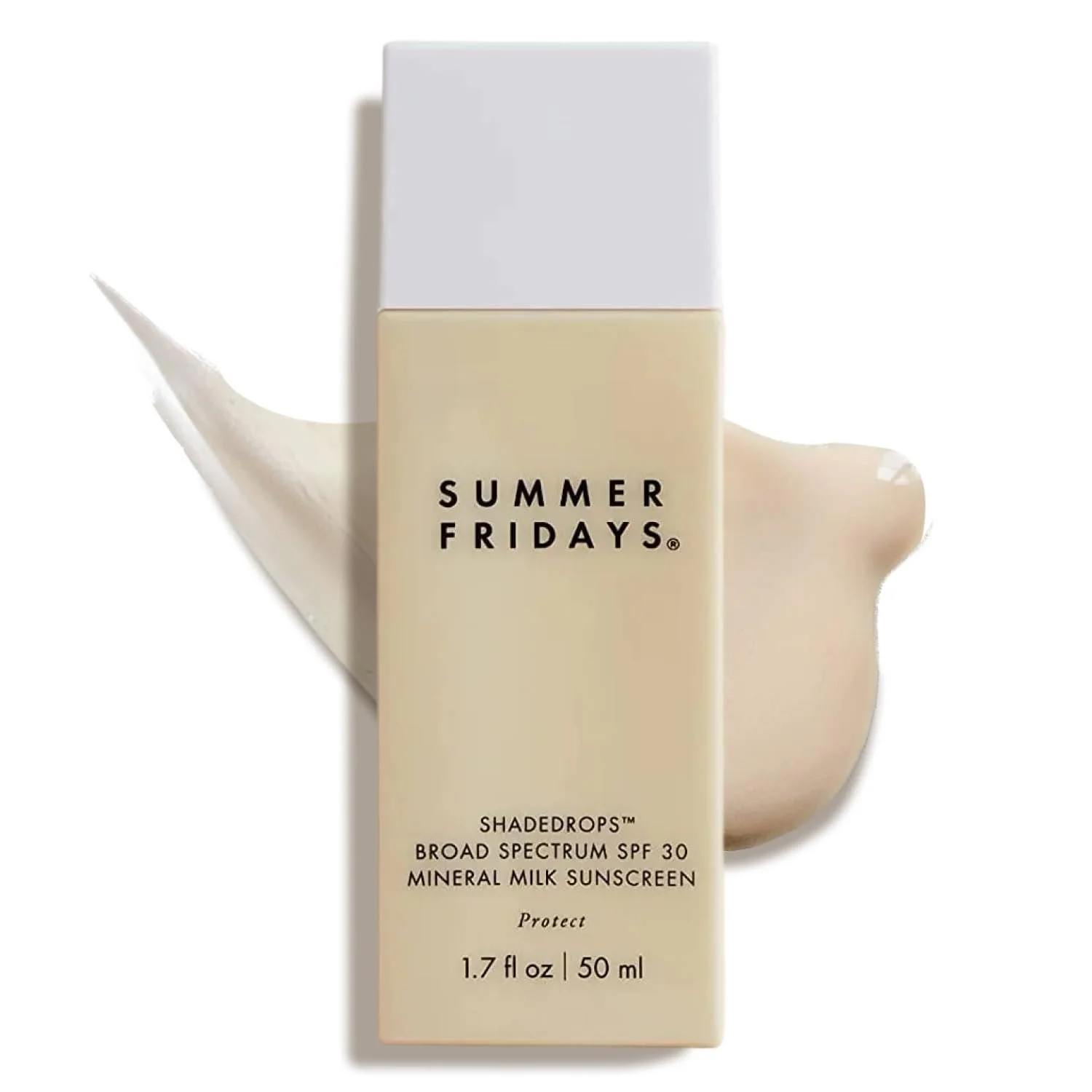
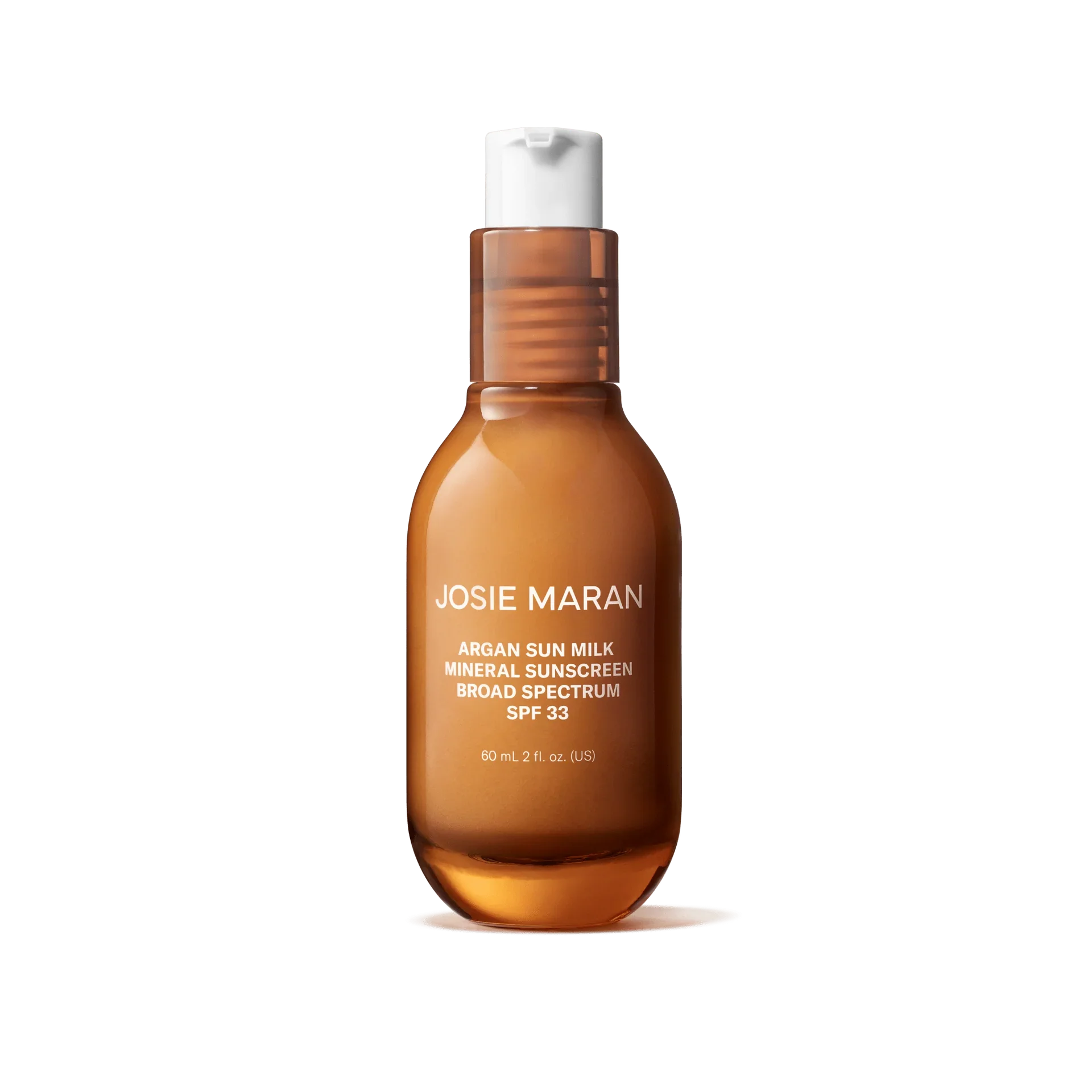
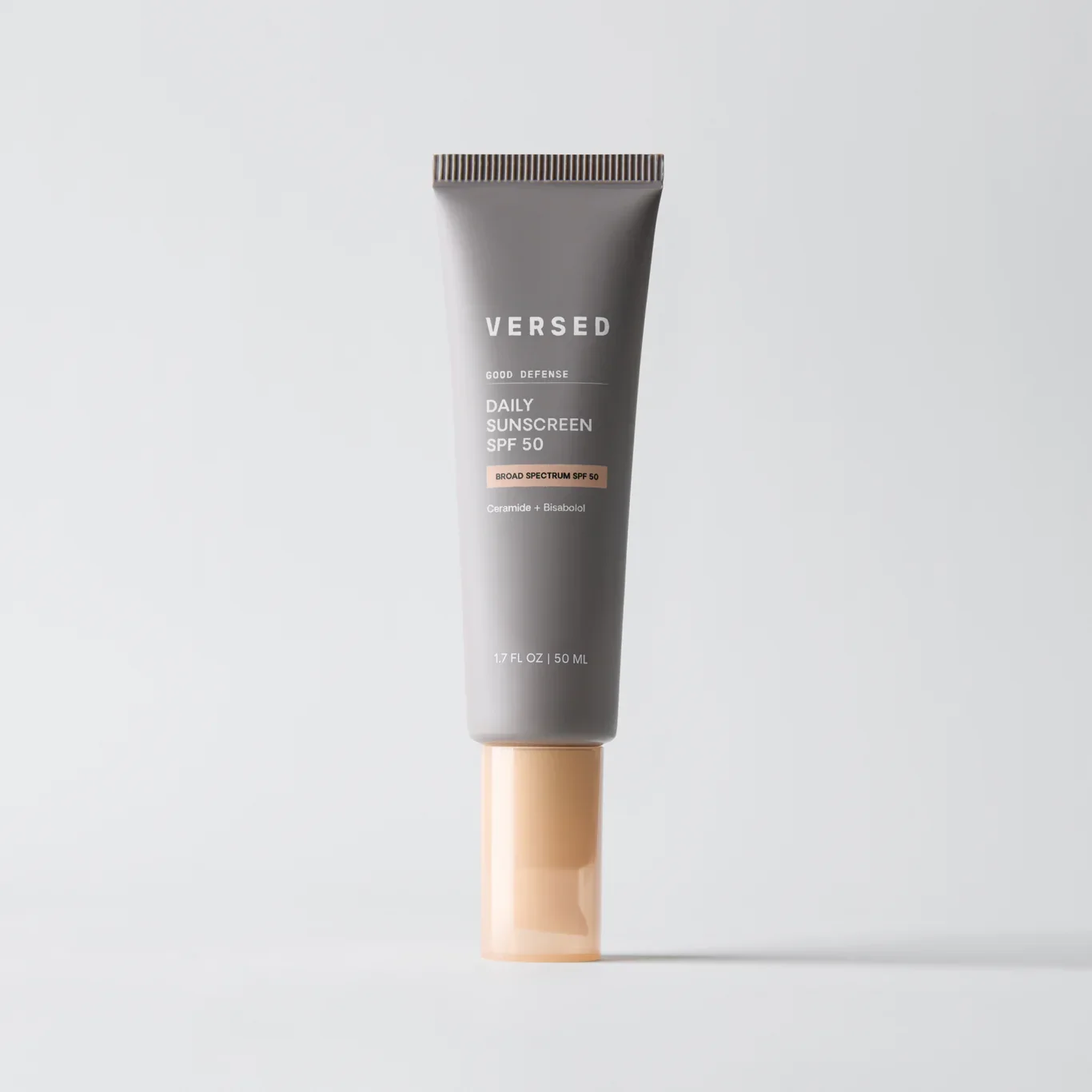
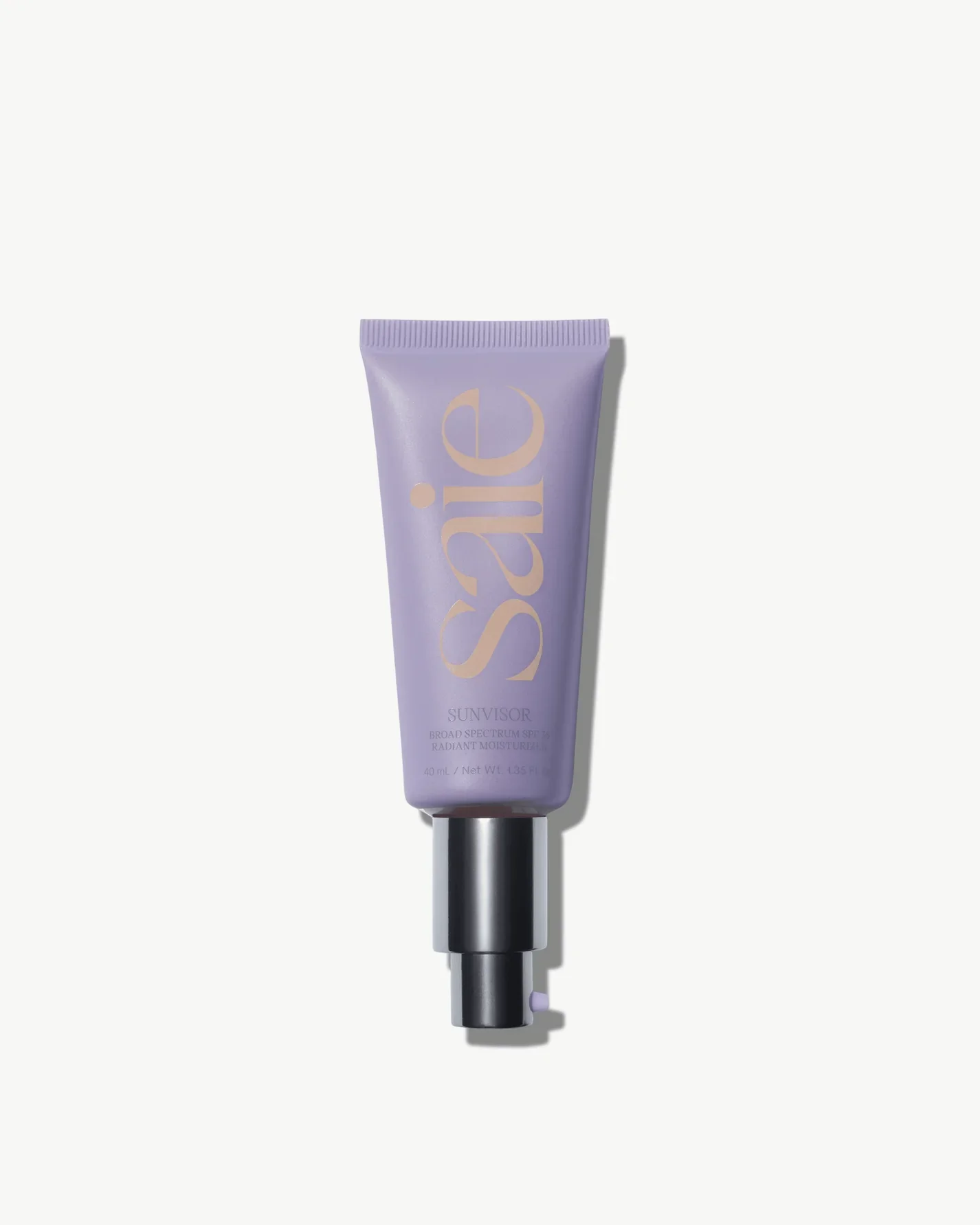
Looking Abroad: What Korea Is Teaching Us
If you’ve been anywhere near skin care conversations online, you’ve heard the buzz around Korean sunscreens. The obsession is deserved but the reason for it is more interesting than most people realize, and it says something important about where the industry is heading.The U.S. FDA classifies sunscreen as an over the counter drug, which means any new UV filter ingredient must go through an approval process that, in practice, can take decades. The FDA hasn’t approved a single new UV filter since 1999 over 25 years ago. American sunscreen formulas are, in meaningful ways, limited to older technology. South Korea classifies sunscreen as a “functional cosmetic,” which allows its Ministry of Food and Drug Safety (MFDS) to evaluate and approve new ingredients in roughly four to six months once clinical data is submitted. Korean formulators currently have access to around 30 different UV filters, compared to effectively 16 in the U.S. and only two of those American options are considered fully safe and effective without caveats.
The next-generation filters at the core of Korean innovation include:
Tinosorb S: an exceptionally photostable broad-spectrum filter that doesn’t break down under sun exposure, providing reliable protection without degradation
Uvinul A: Plus highly effective at absorbing deep UVA rays, the wavelength most responsible for aging
Mexoryl SX and XL: photostable options known for sustained protection during daily wear
What makes these ingredients particularly relevant to the physical-vs-chemical conversation is that newer-generation Korean chemical filters are engineered with larger molecular structures, which means they don’t penetrate the skin in the same way older filters like oxybenzone do. Some Korean-market formulations are beginning to close the gap between the wearability of chemical formulas and the skin-safety profile of physical ones.
Kolmar Korea, one of the most innovative sunscreen manufacturers in the world (and holder of over 70 UV-protection patents), recently developed a technology called UV-DUO PLUS that encapsulates mineral particles with organic components addressing the white cast problem at a molecular level and creating true hybrid protection that reflects rather than absorbs. The cultural context matters too: in Korea, sun care isn’t an afterthought or a beach-day product it’s the final step in the morning routine, 365 days a year, and formulas are developed accordingly. The result is a category of sunscreens that feel like skincare lightweight, glow-giving, ingredient-rich, and genuinely enjoyable to wear.
The U.S. passed the Sunscreen Innovation Act back in 2014 in an attempt to expedite approvals. Progress has been slow, but awareness is growing. The recently signed SAFE Sunscreen Standards Act of 2025 may begin to shift the regulatory landscape, though reformulation at the scale of the American market will take time.
Shop EGL’s Edit
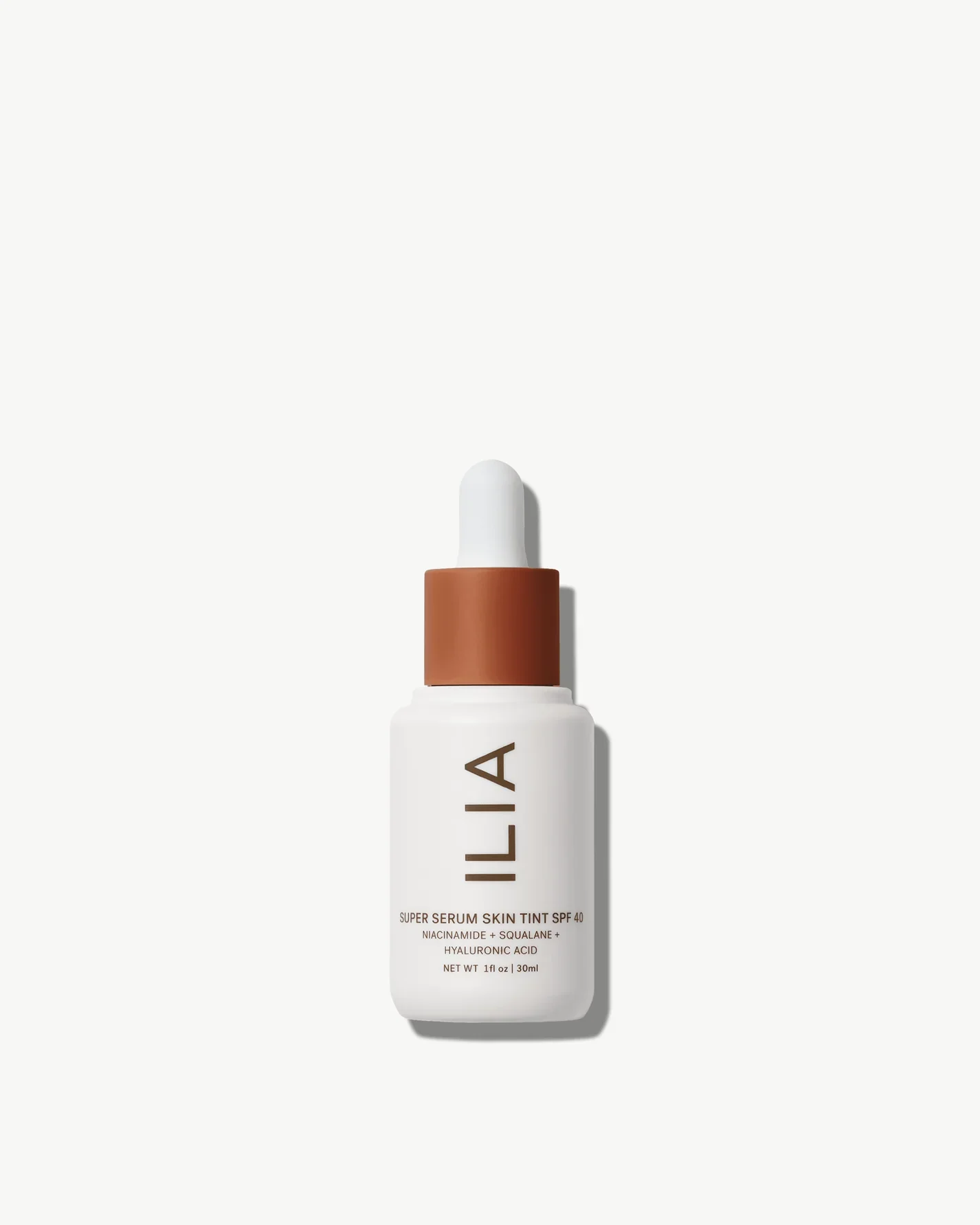
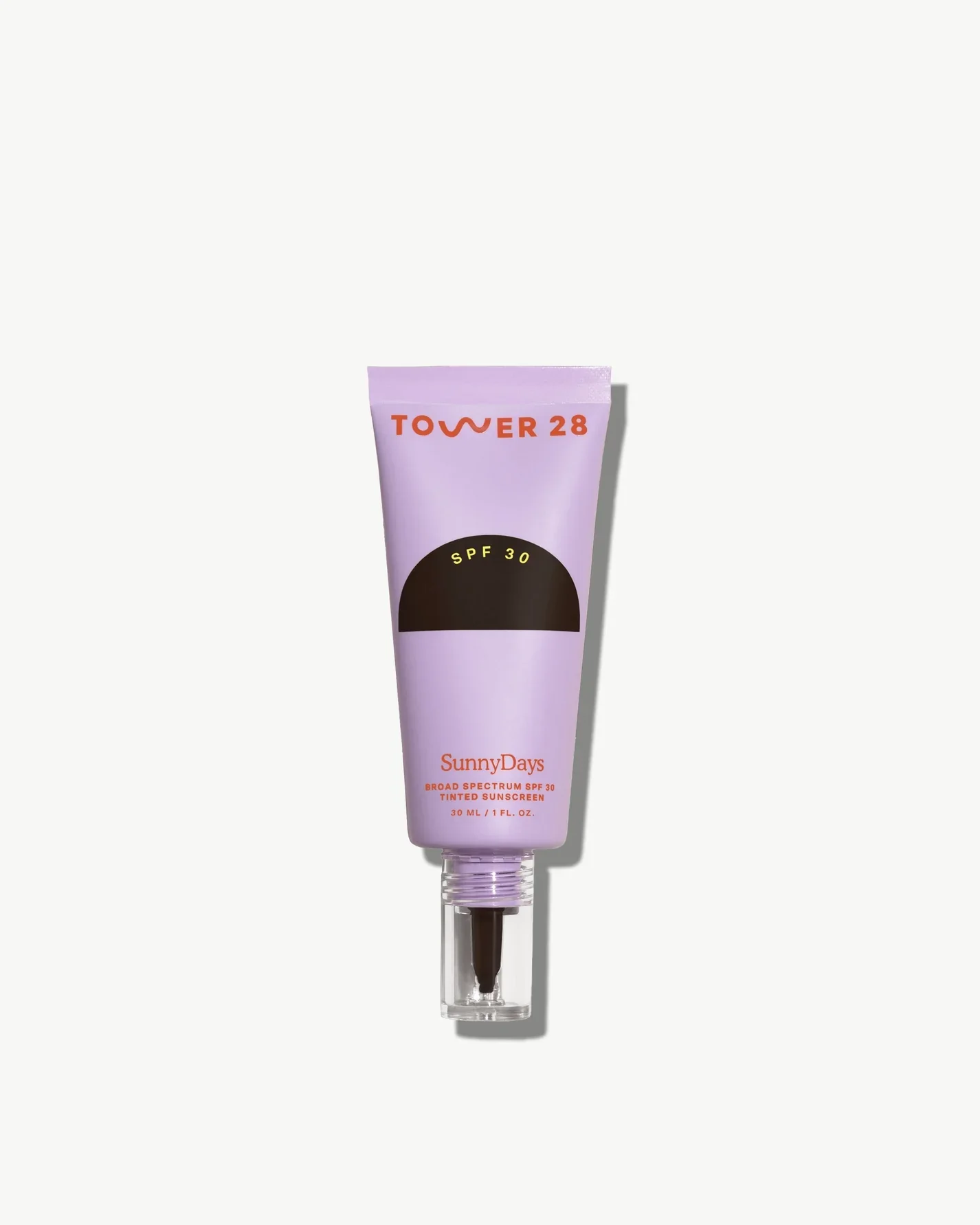
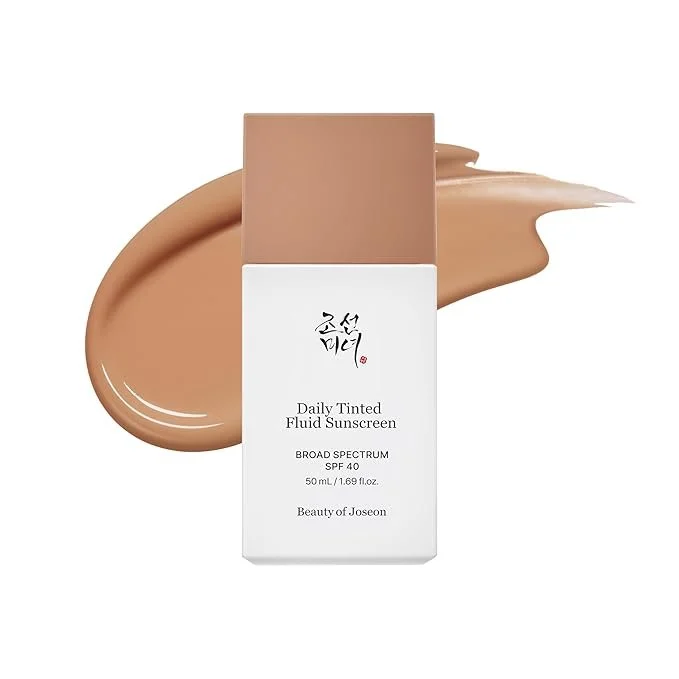
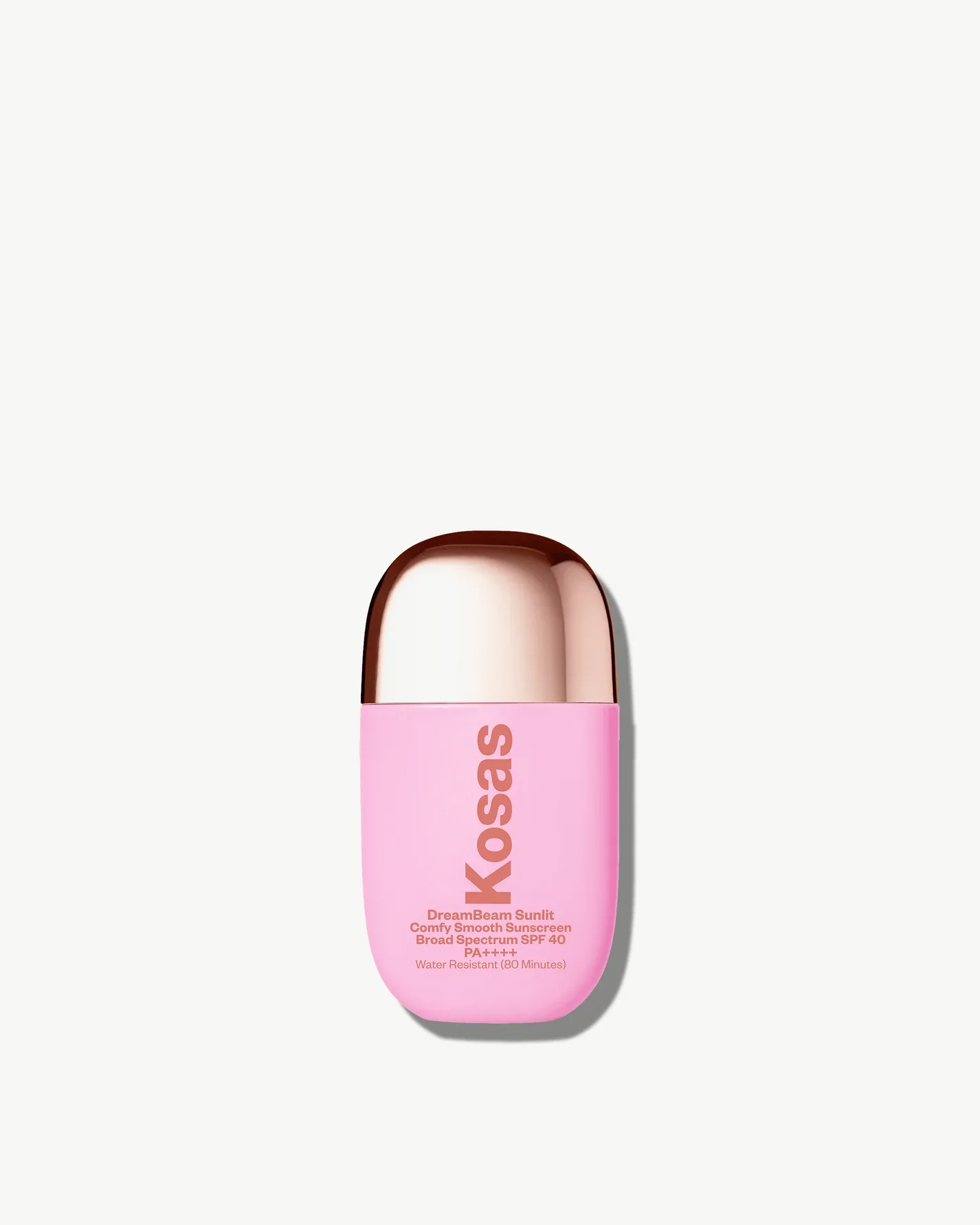
How to Read a Sunscreen Label
A few things worth knowing when you’re standing in the aisle or shopping online:
Active ingredients are everything. If the active ingredients list zinc oxide, titanium dioxide, or both it’s mineral. If you see avobenzone, oxybenzone, homosalate, octocrylene, octinoxate, or octisalate it’s chemical.
“Broad spectrum” is non-negotiable. This FDA designation confirms coverage against both UVA (aging) and UVB (burning) rays. No broad-spectrum label, no purchase.
SPF 30 to 50 is the practical sweet spot. SPF 30 blocks about 97% of UVB rays; SPF 50 blocks about 98%. Beyond 50, the marginal gains are minimal — and consistency of application matters far more than SPF number.
Iron oxides for hyperpigmentation. If you’re managing melasma or post-inflammatory darkening, a tinted mineral formula with iron oxides offers protection against visible light that clear formulas simply don’t provide.
PA++++ for UVA. You’ll see this rating system on Korean and Japanese imports. Each “+” corresponds to a range of the PPD (Persistent Pigment Darkening) test. Four pluses is the highest available UVA rating.
Reapplication is the rule, not the exception. Every two hours during sun exposure, and immediately after swimming or sweating. The best sunscreen, as dermatologists like to say, is the one you’ll actually use.
Shop EGL’S Edit
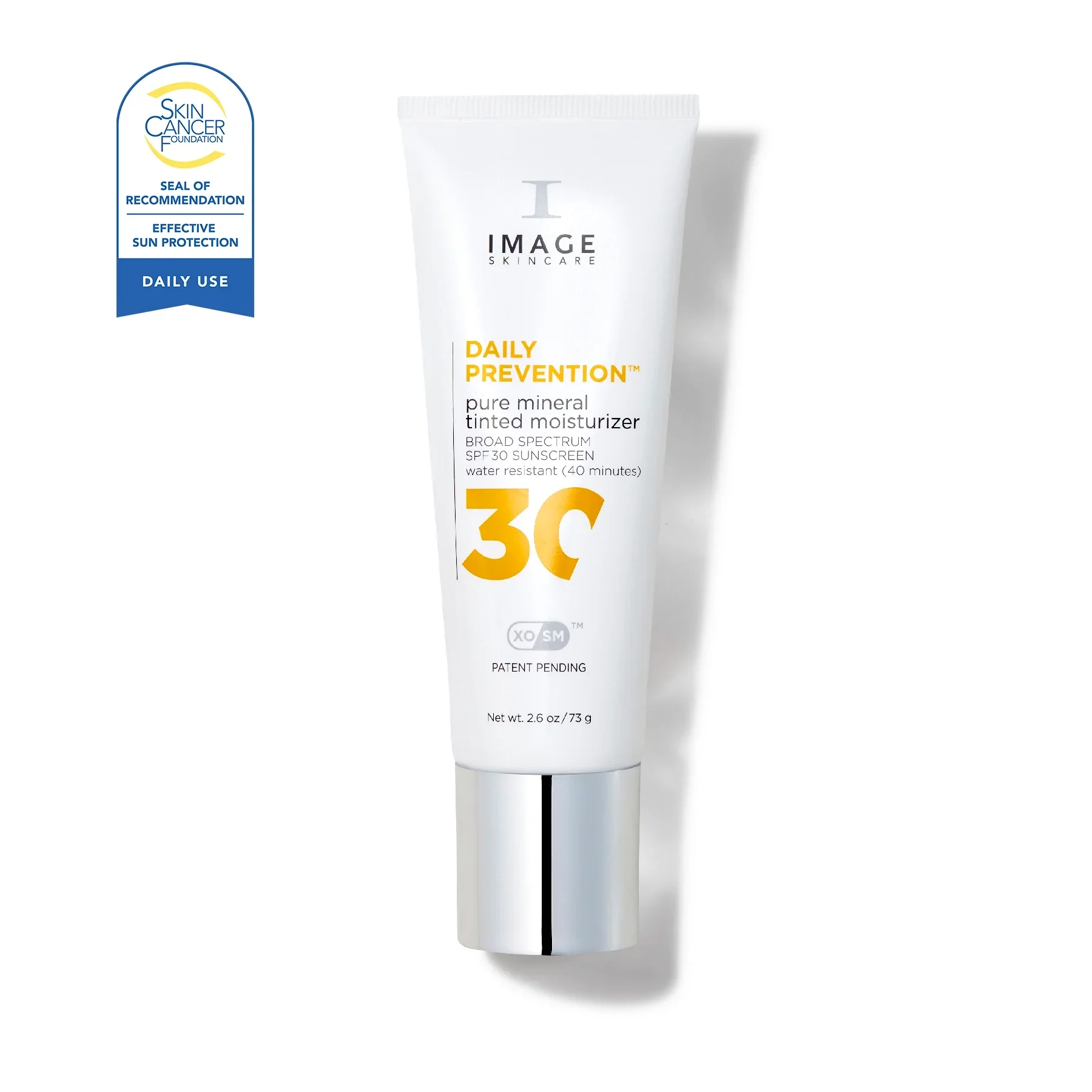
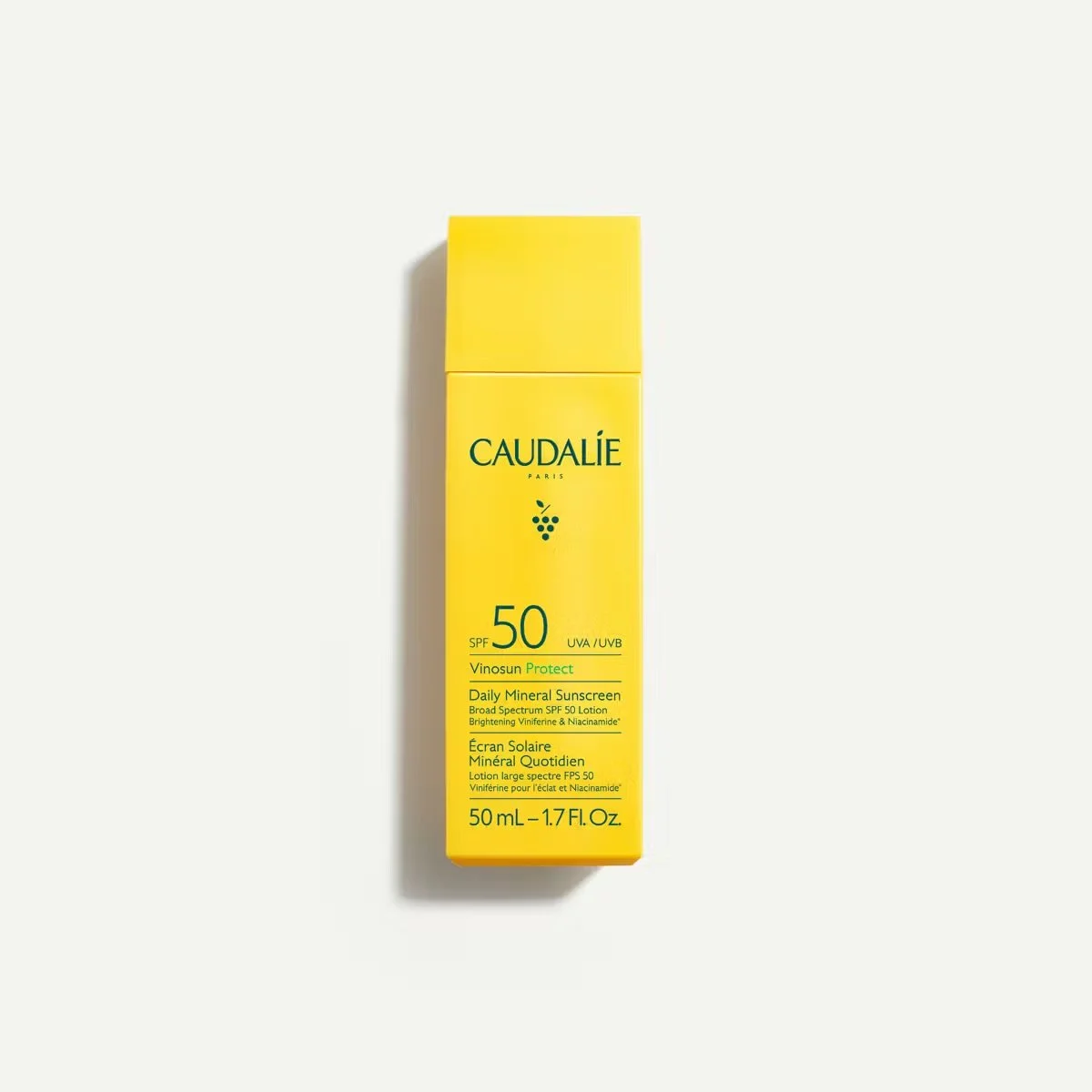
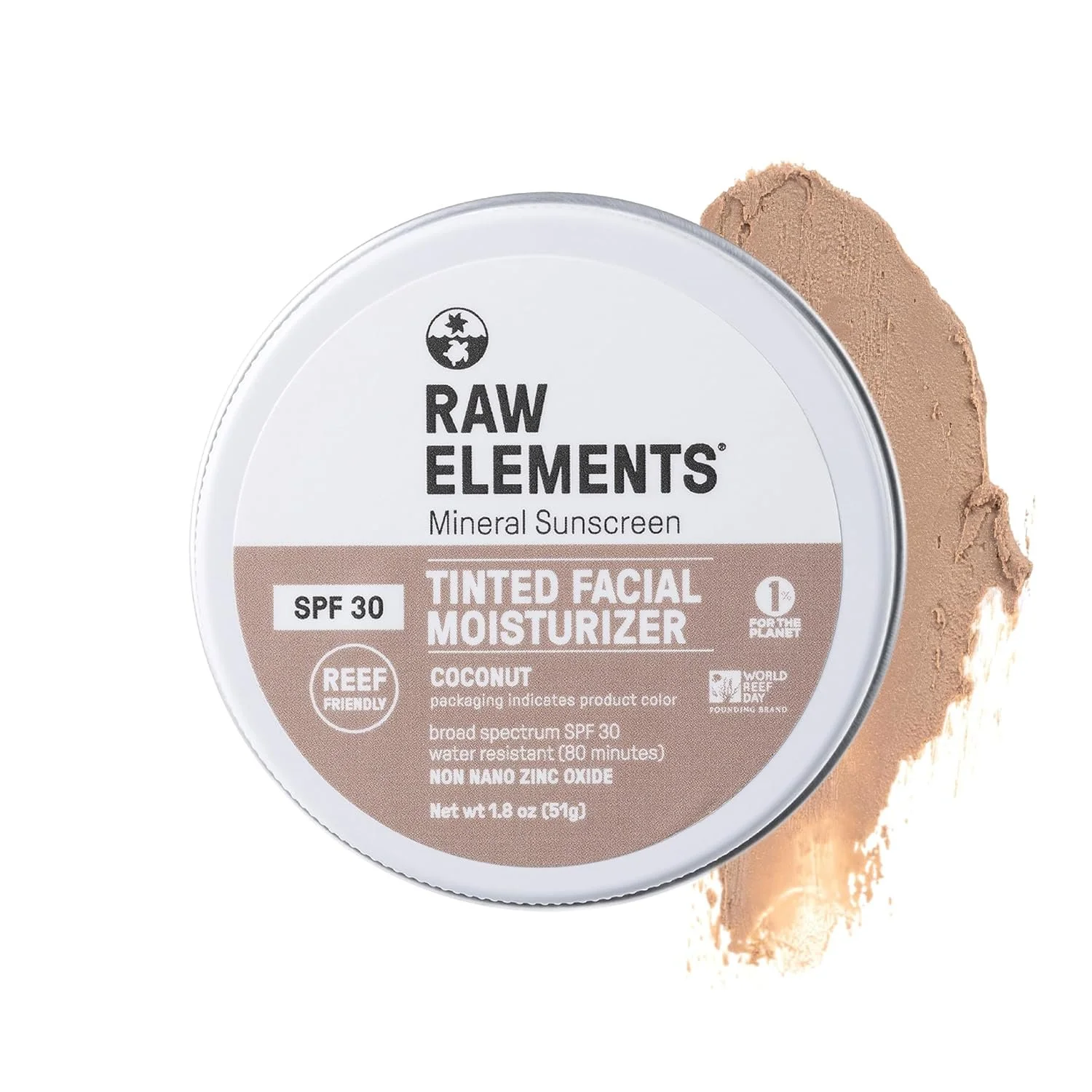
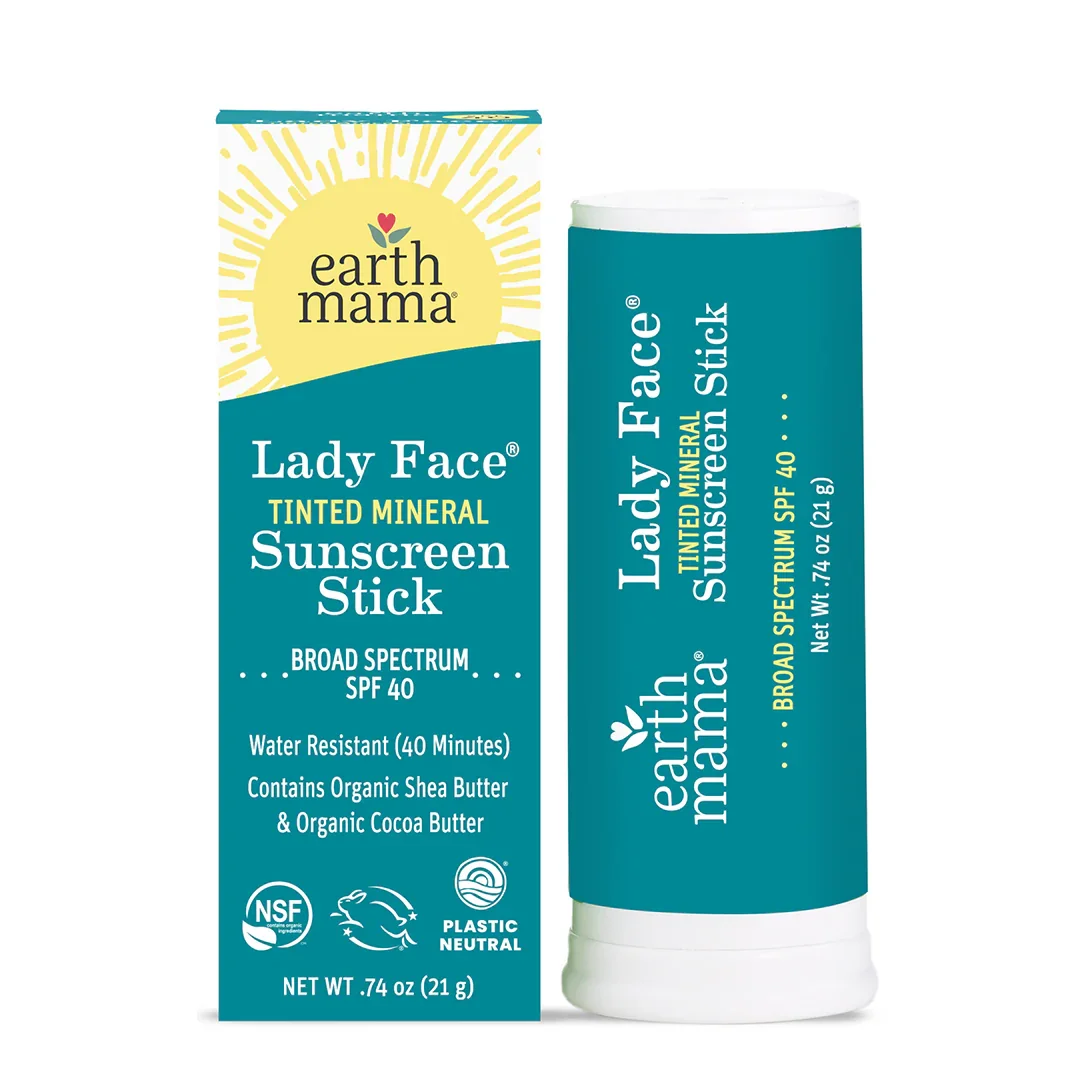
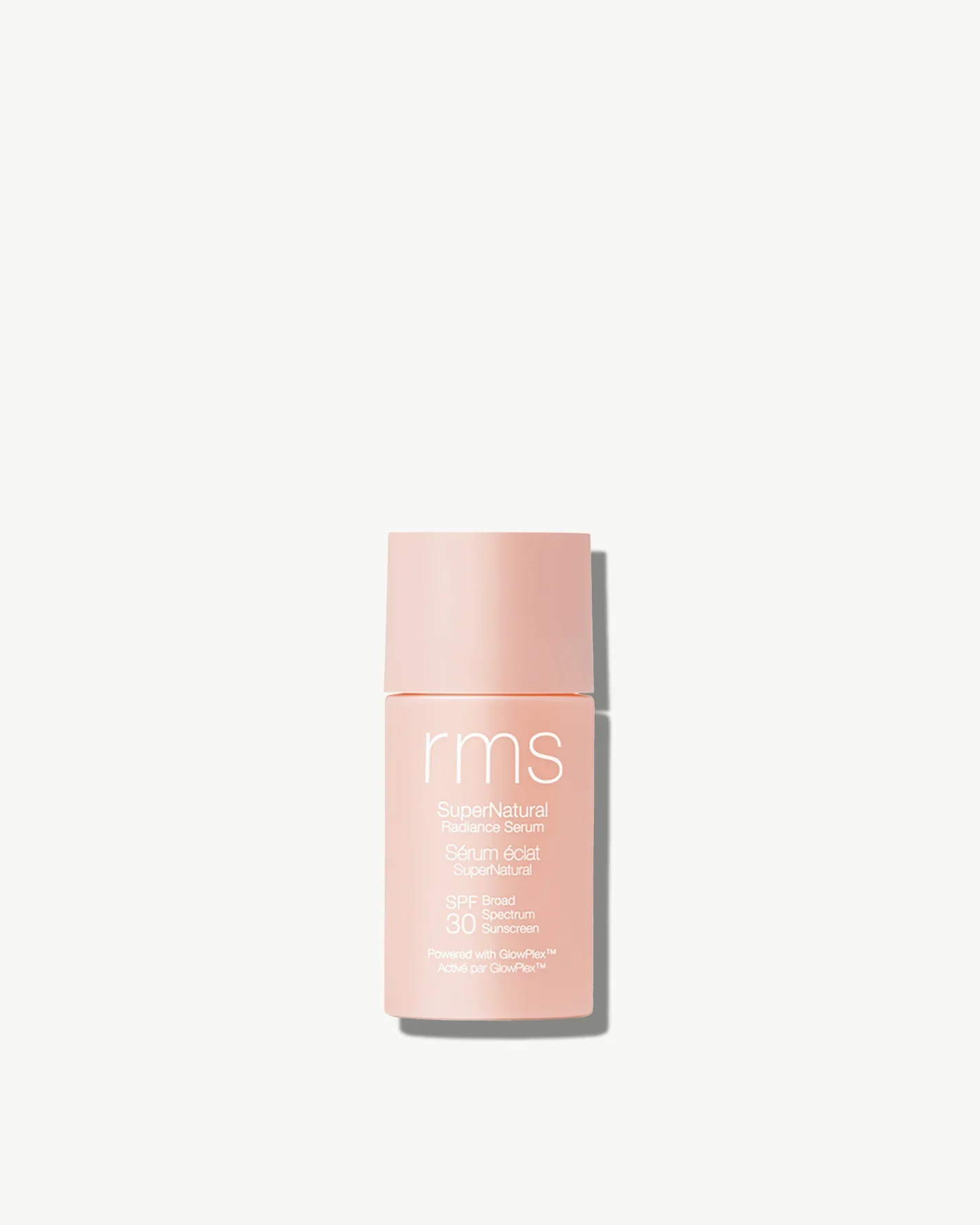
The EGL Edit: SPFs Worth Knowing
The mineral sunscreen category has elevated considerably. Across formulations, a few categories stand out for the EGL reader:
Daily facial SPF: Look for lightweight zinc oxide formulas with a matte or satin finish those formulated with hyaluronic acid or ceramides offer sun protection alongside meaningful skin barrier support.
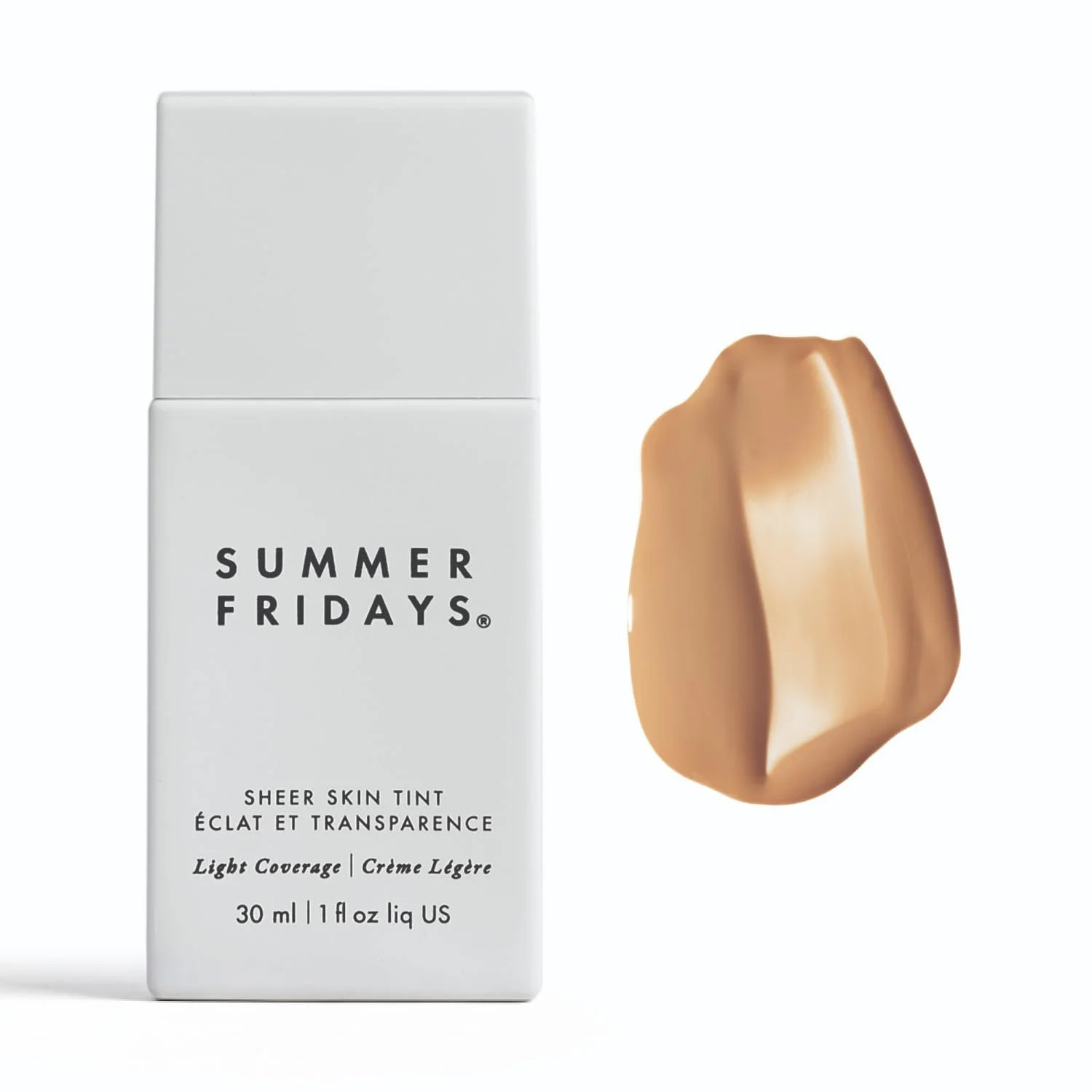
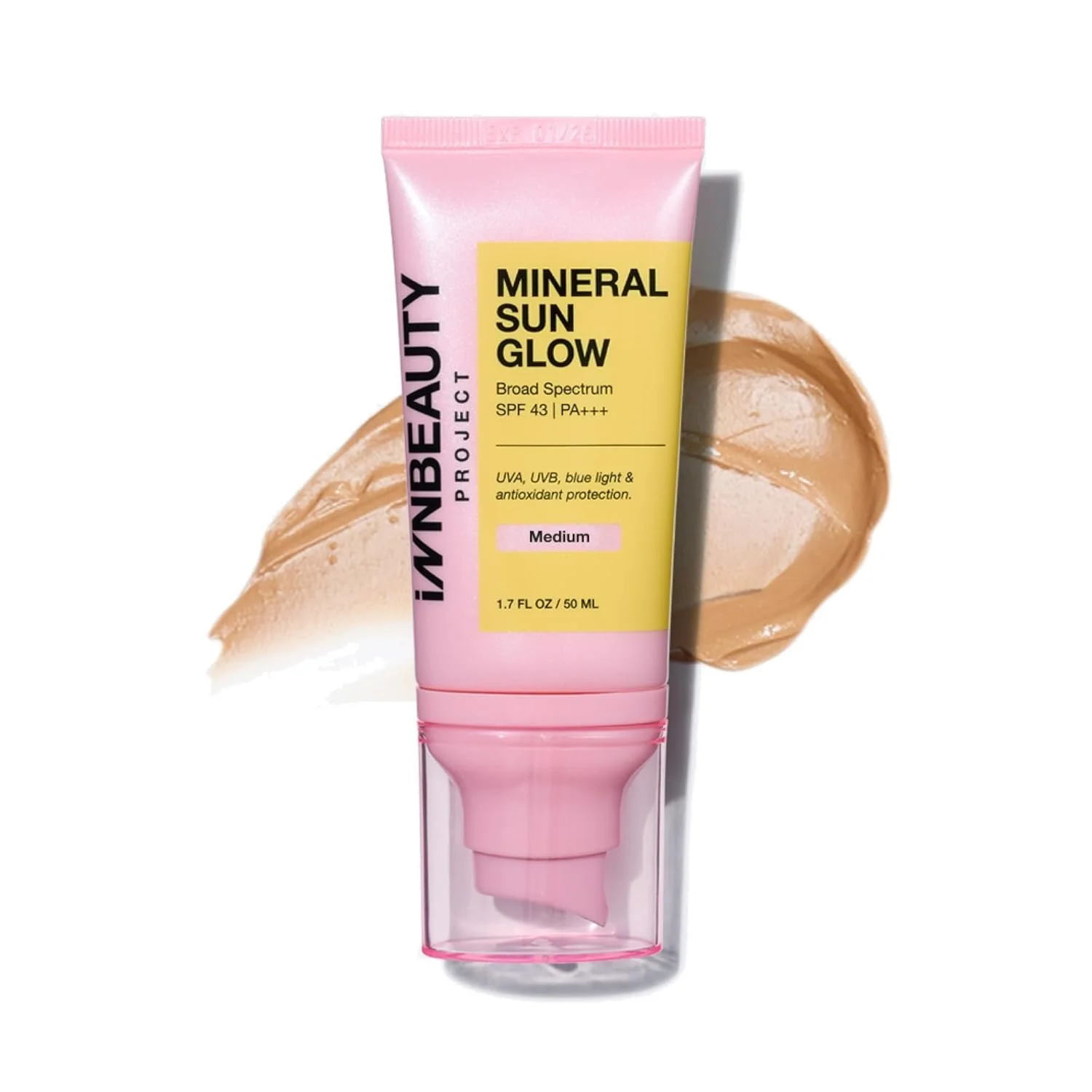
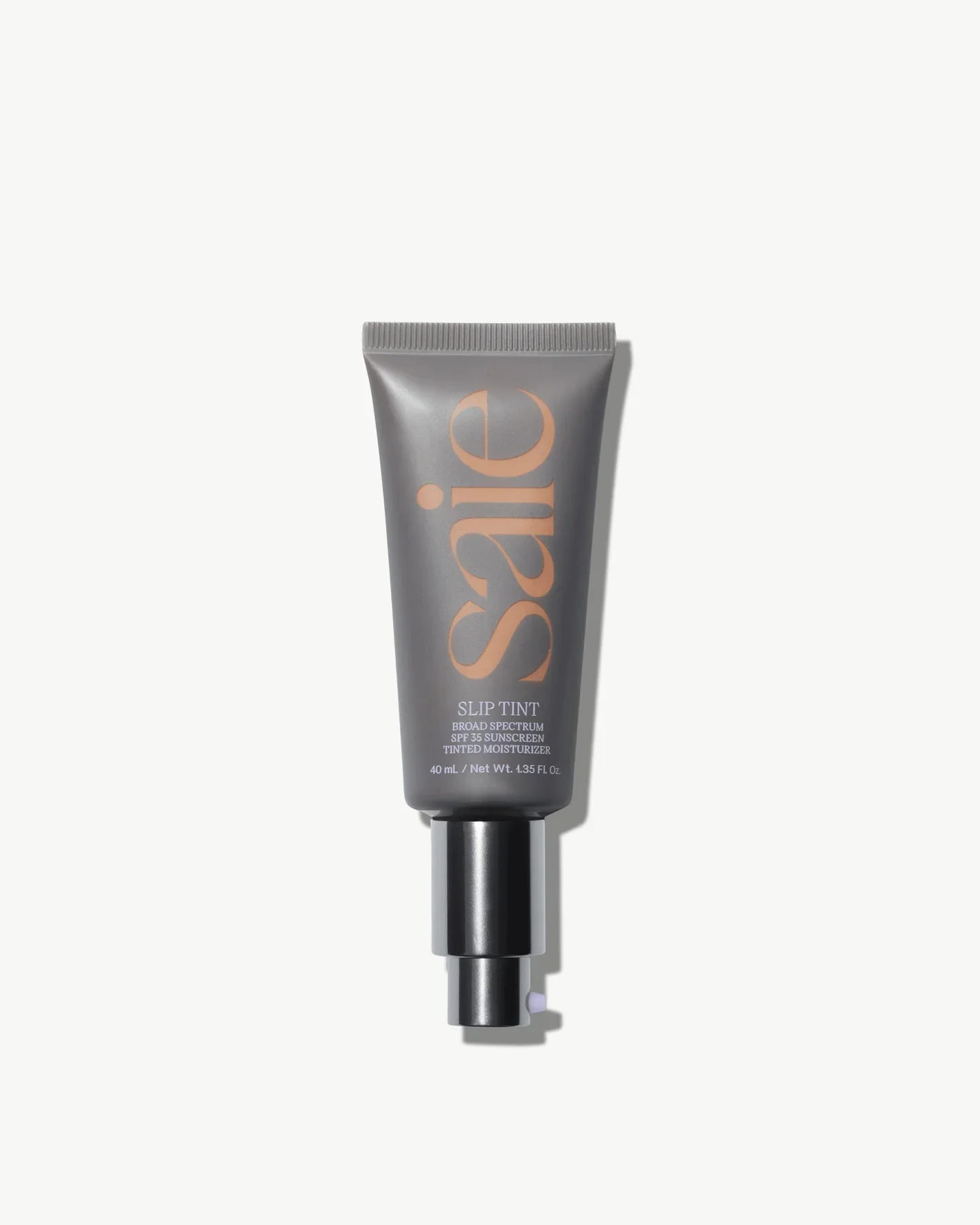
Tinted protection for hyperpigmentation: A tinted mineral SPF with iron oxides is among the most functional products in skin care right now it simultaneously protects, evens tone, and provides the visible light coverage that clear formulas miss.
Post-procedure and reactive skin: After any resurfacing treatment, mineral-only SPF is the universal recommendation. Nothing else should touch skin in an active healing phase.
Korean-formulated options: For those who want the broadest UV filter access and the most refined textures, Korean-market mineral and next-gen hybrid formulas offer something genuinely different from domestic options particularly those using Tinosors or Mexoryl alongside skincare actives like centella, asiatica, and niacinamide.
Sunscreen is the one skin care product with the most unambiguous evidence behind it. Wearing it consistently in a formula that works for your skin is one of the most meaningful things you can do for both your appearance and your long-term health. At EGL, we believe that conversation should include not just whether to wear it, but what’s actually in it.
As always, consult a board-certified dermatologist for personalized recommendations, particularly if you’re managing a skin condition or are pregnant.