What EGL’s Beauty Editor Actually Does Every Night for Glowing Skin, Hair, and Better Sleep

After years as a beauty editor testing formulations, treatments, and routines, I have learned that nighttime is where the most meaningful results begin. This is exactly what I do each evening to support my skin, hair, nervous system, and the day ahead.
During the nighttime is when skin repair peaks, inflammation settles, and habits good or bad show up on your face the next morning. Over the years, I’ve tested hundreds of products, protocols, and trends. What’s stuck is a routine that’s efficient, evidence-informed, and supportive of my skin and the bonus of a balanced nervous system while not overwhelming either me and my “glow goals”.
Here’s exactly how I wind down at night, and why each step earns its place.

Cleansing: Non-Negotiable, But Not Aggressive
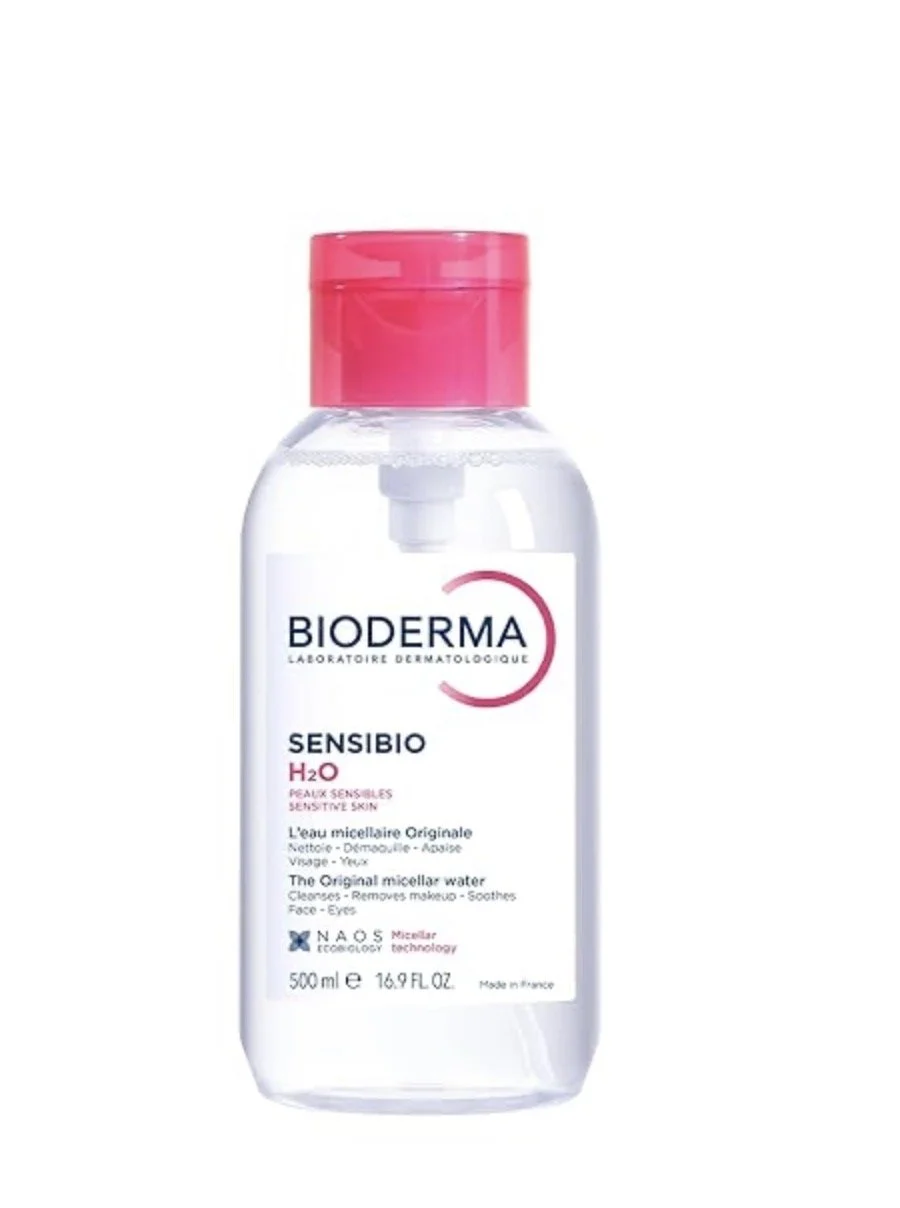
I always double cleanse at night. Not because it’s trendy, but because research consistently shows that sunscreen, pollution, and makeup aren’t fully removed with a single cleanse, especially oil-soluble debris. An oil-based cleanser breaks down buildup without disrupting the skin barrier, followed by a gentle water-based cleanser to actually clean the skin. When my skin is feeling extra dry, sensitive, or lets face it exhausted from a full schedule I drop the last cleanser for a cotton pad and micellar water.
I keep water lukewarm and massage slowly. Beyond cleansing, this matters neurologically: slow, repetitive touch has been shown to reduce cortisol and activate the parasympathetic nervous system. Rushing this step defeats half the benefit.
Glows Goals Tip: If your skin ever feels tight after cleansing, your cleanser and not your moisturizer is the problem.
Shop The Edit
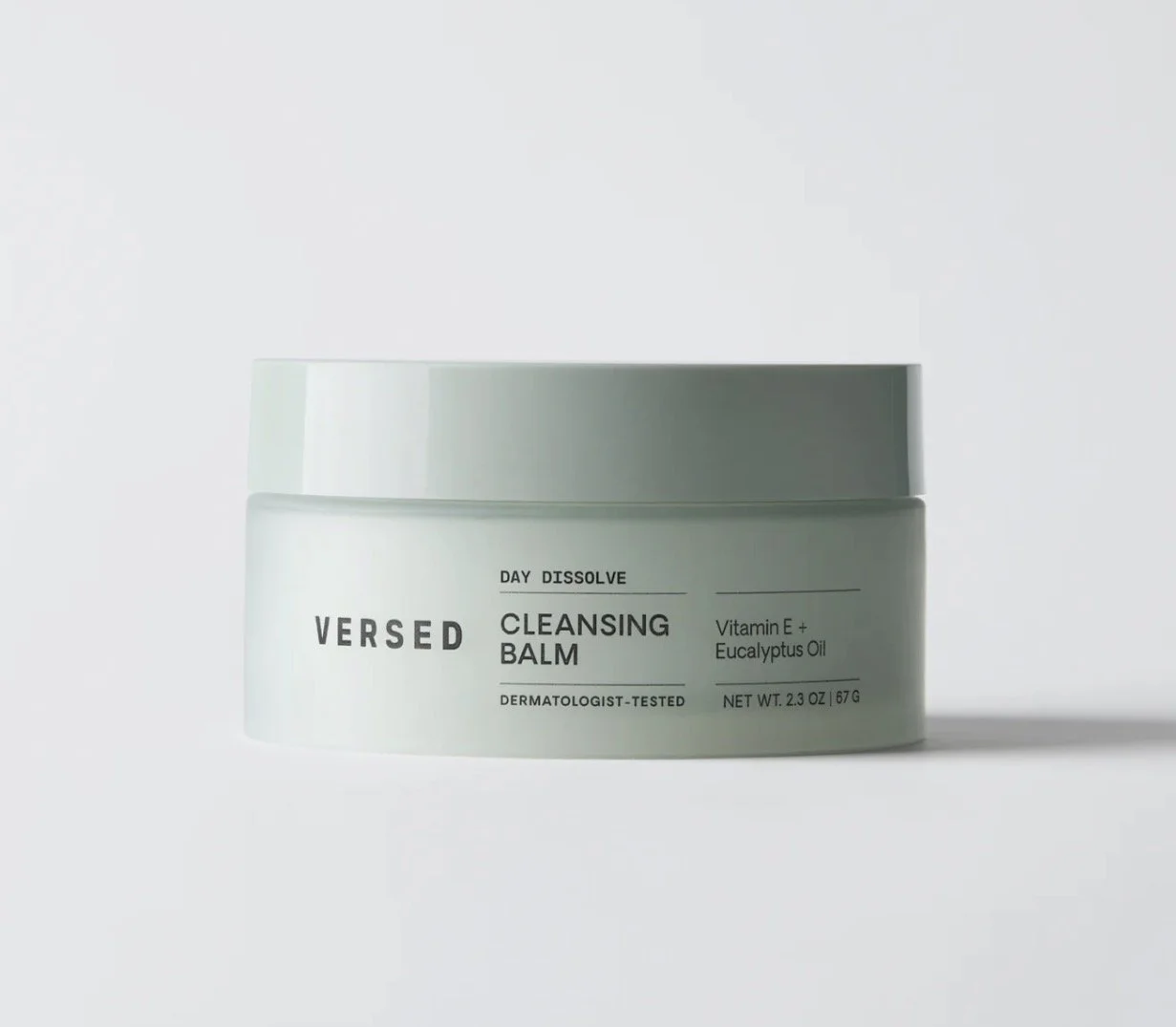
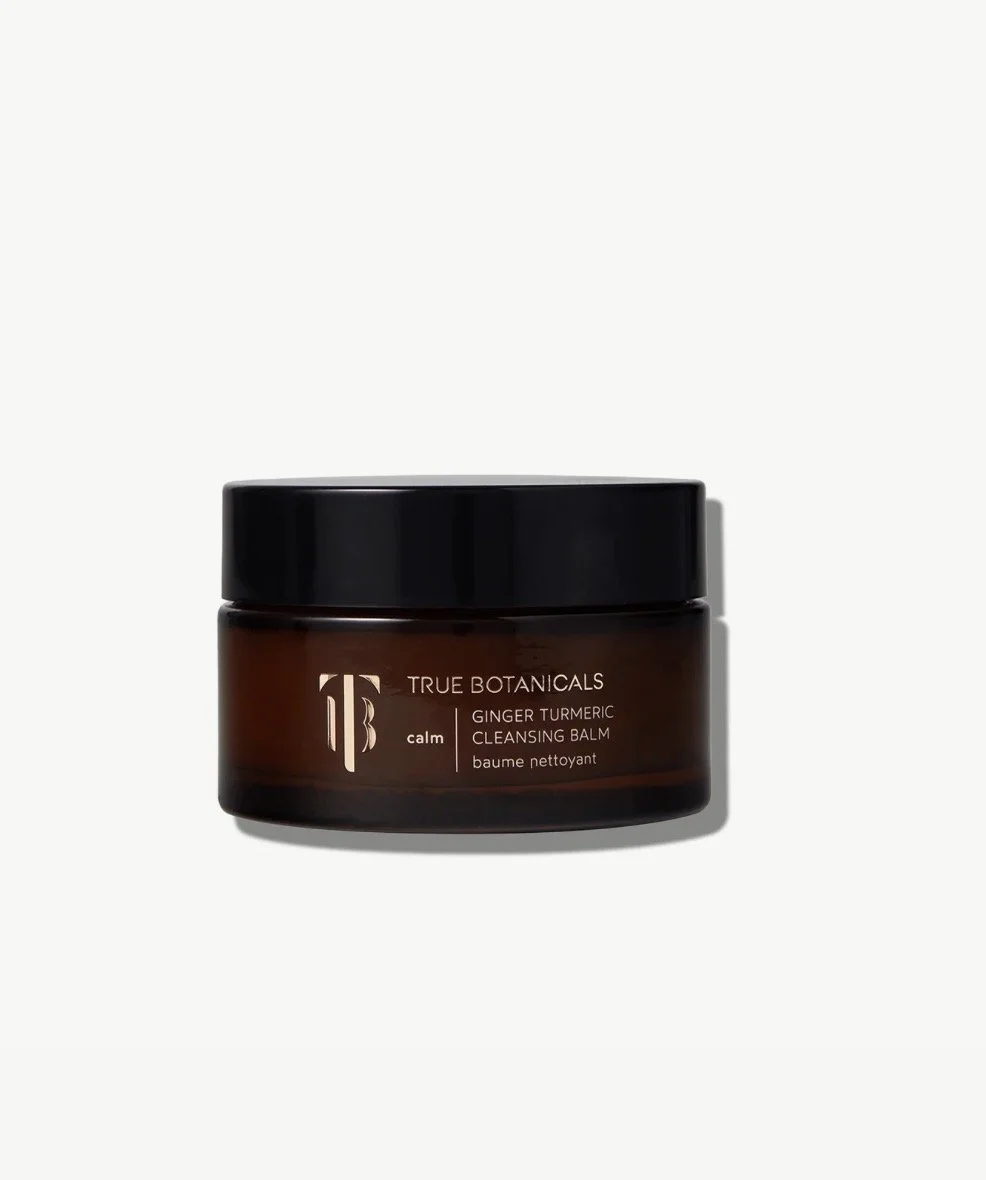
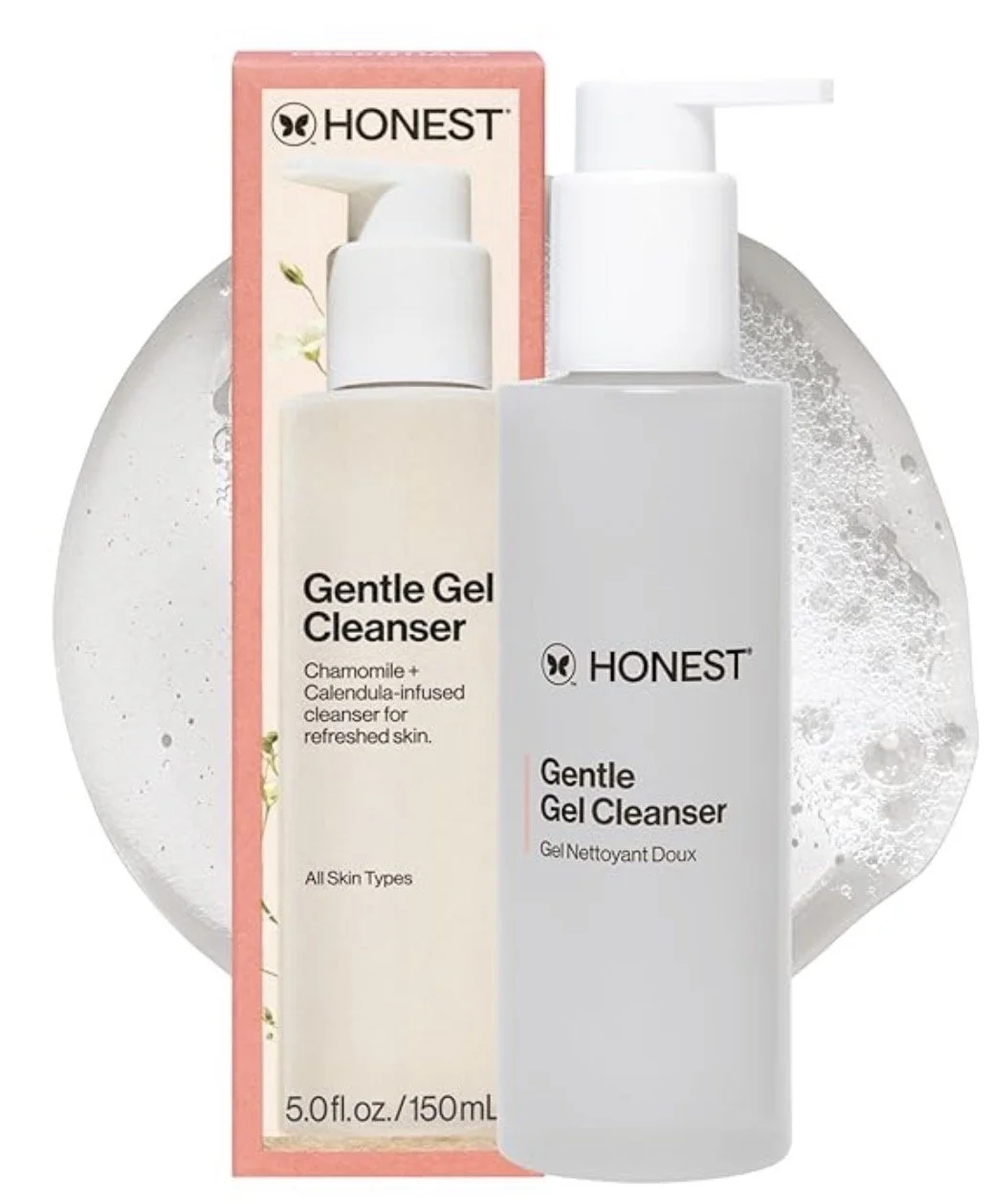

Night Skincare: Fewer Products, Better Timing
Skin permeability increases at night, and cell turnover is highest during sleep, which is why nighttime is the best window for active ingredients. That said, more is not always better. And this has been the consensus that I’ve heard from experts from top dermatologists, plastic surgeons, to holistic skincare estheticians, and beyond that there is a steep rise in cases where patients have unnecessarily caused thinning, rashes, and in very severe cases burns to their skin from using to many actives at once.
My routine stays consistent:
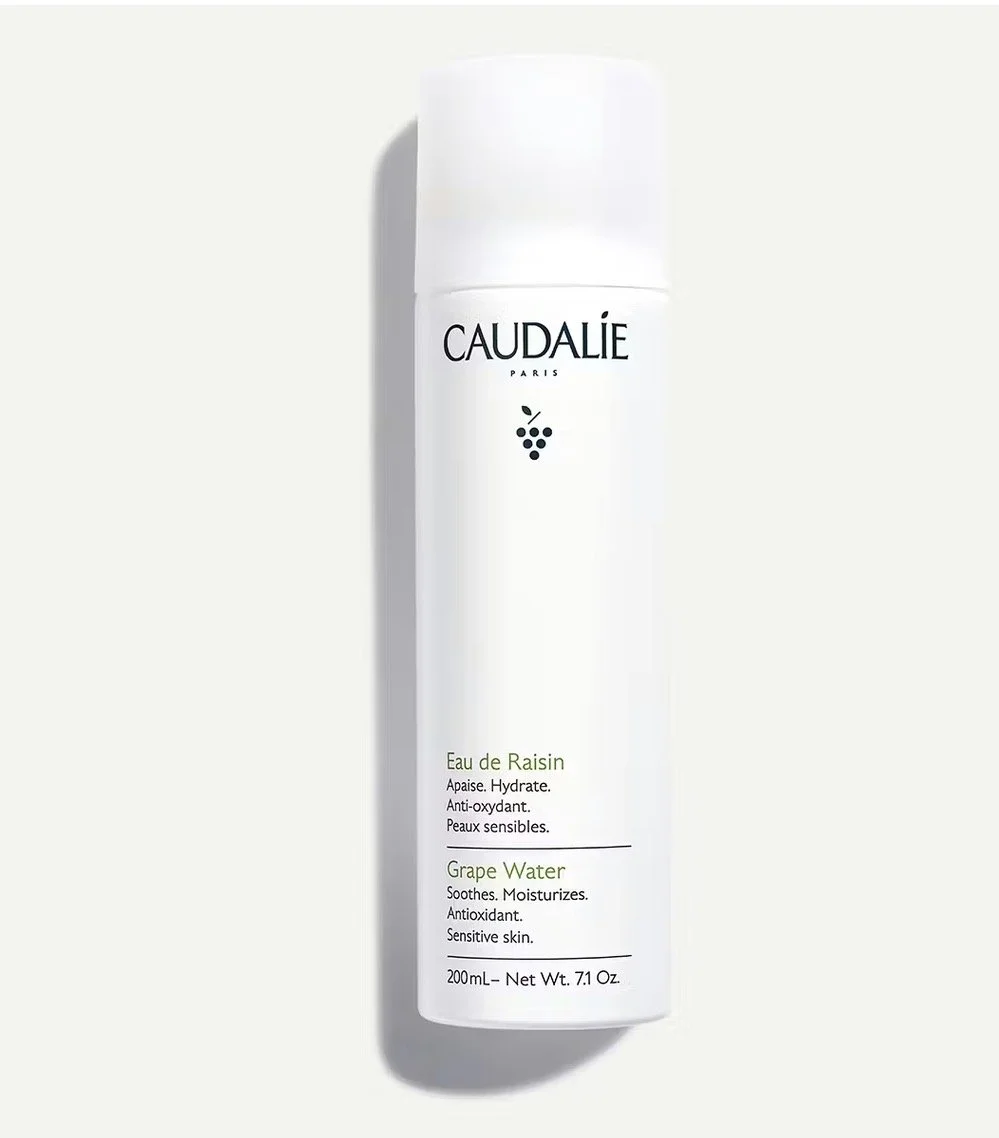
A hydrating toner or essence to restore water content and improve serum absorption
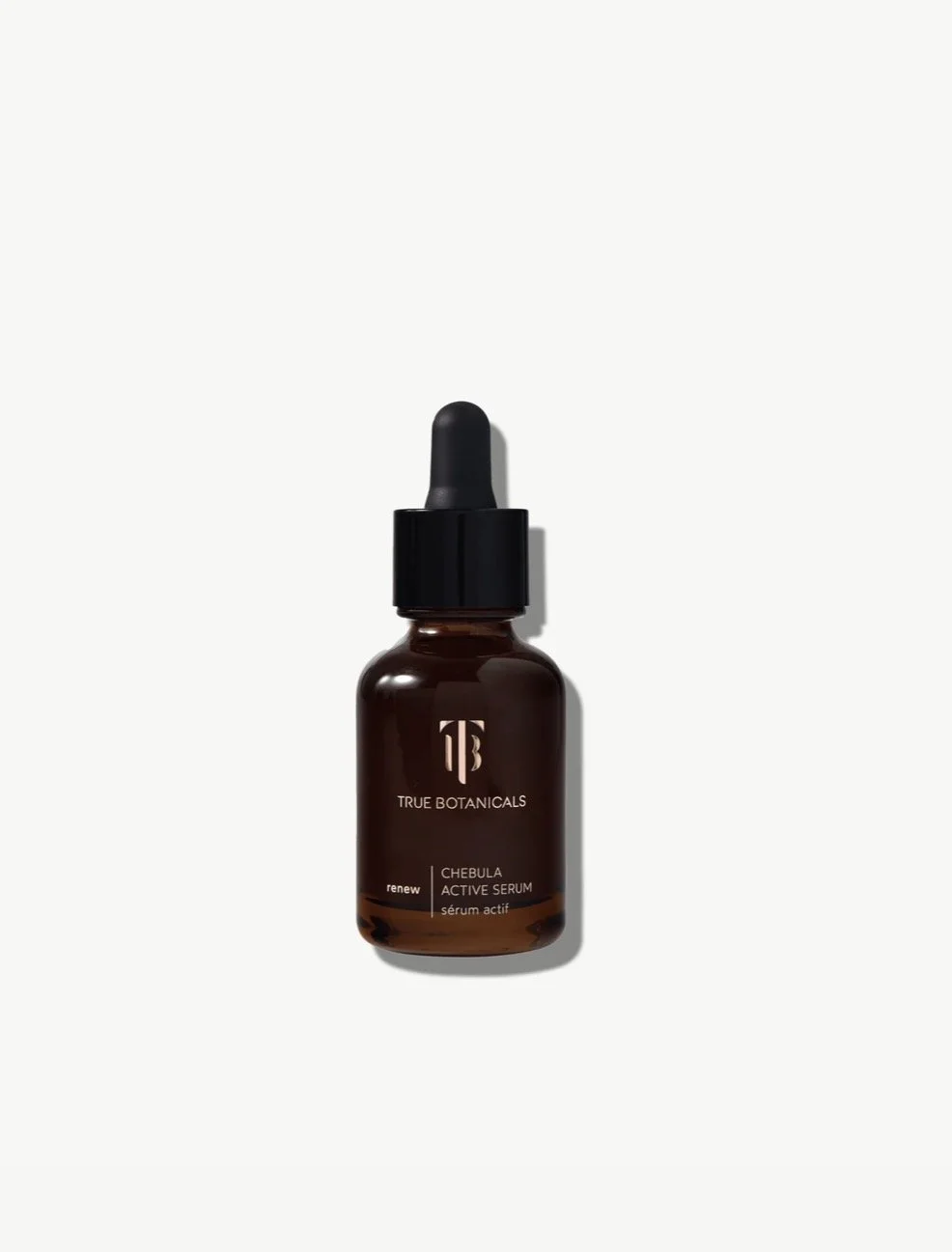
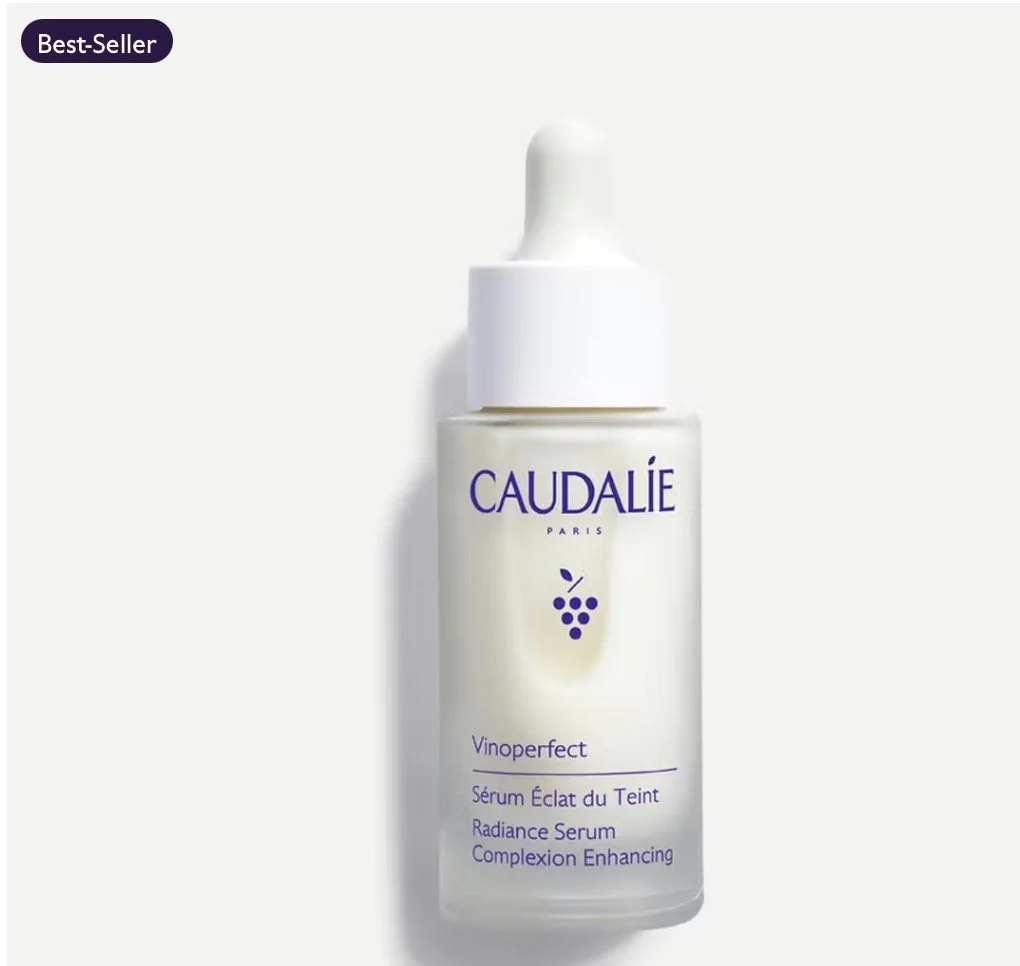
A targeted serum focused on barrier repair, collagen signaling, or gentle cell turnover (I rotate based on season and skin stress)
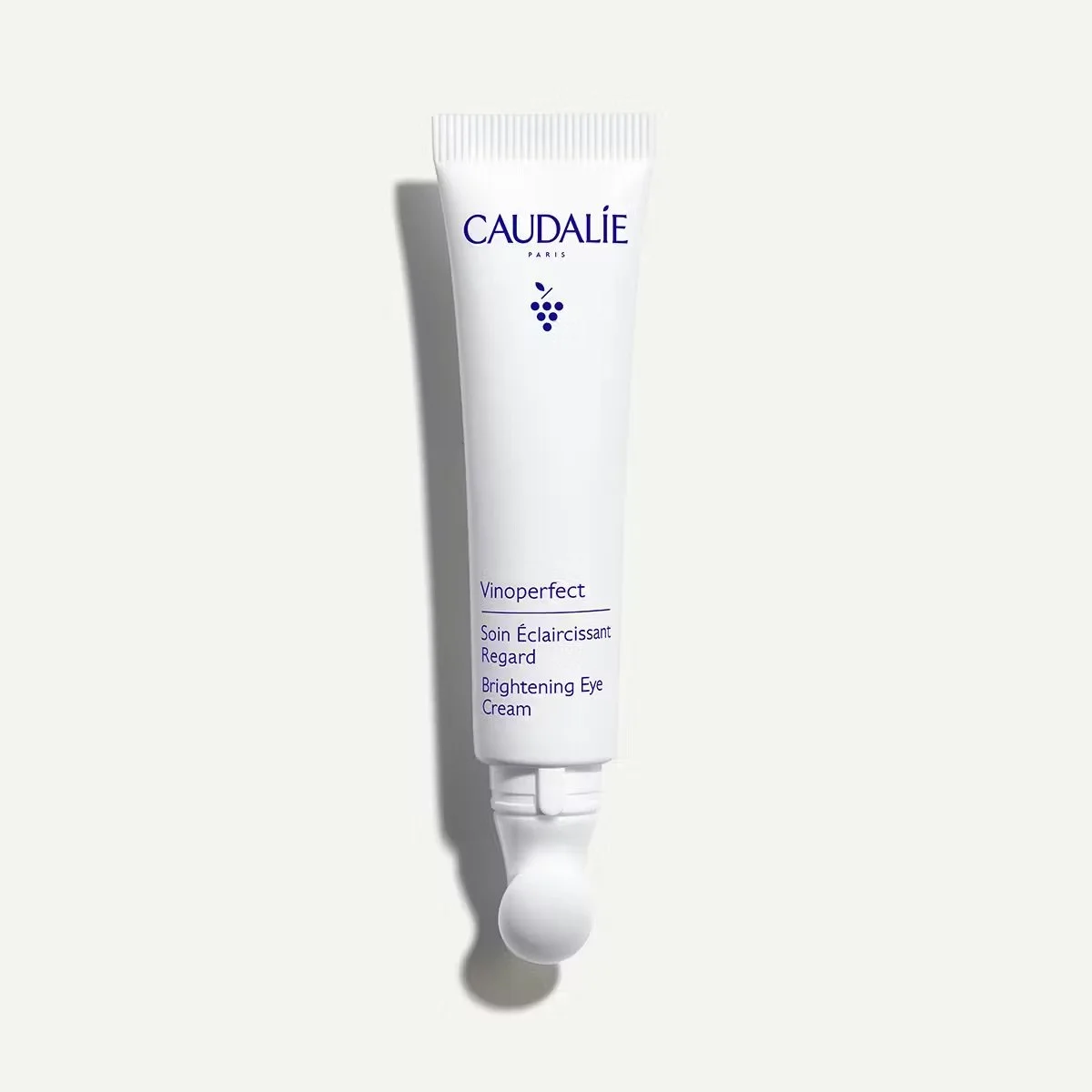
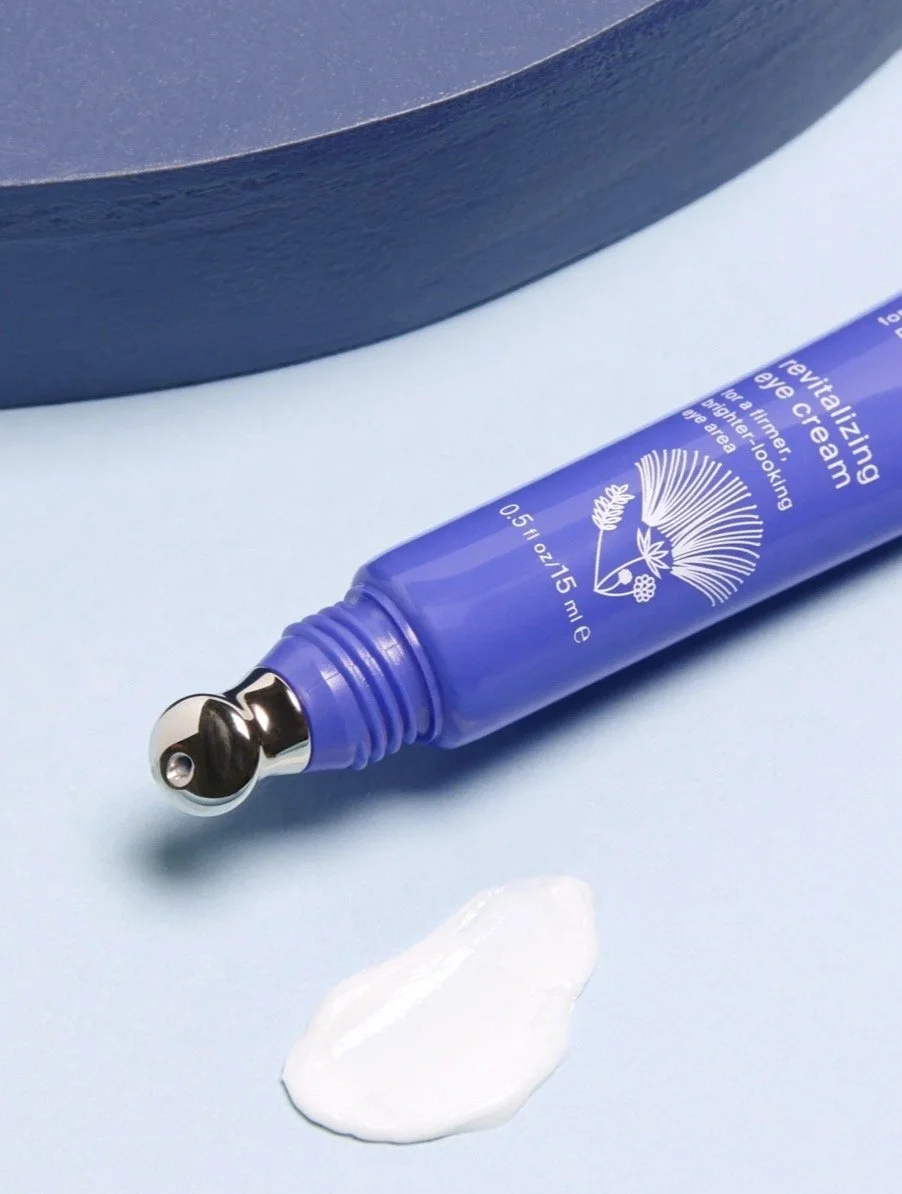
Eye cream, pressed in, not rubbed to protect the delicate orbital area
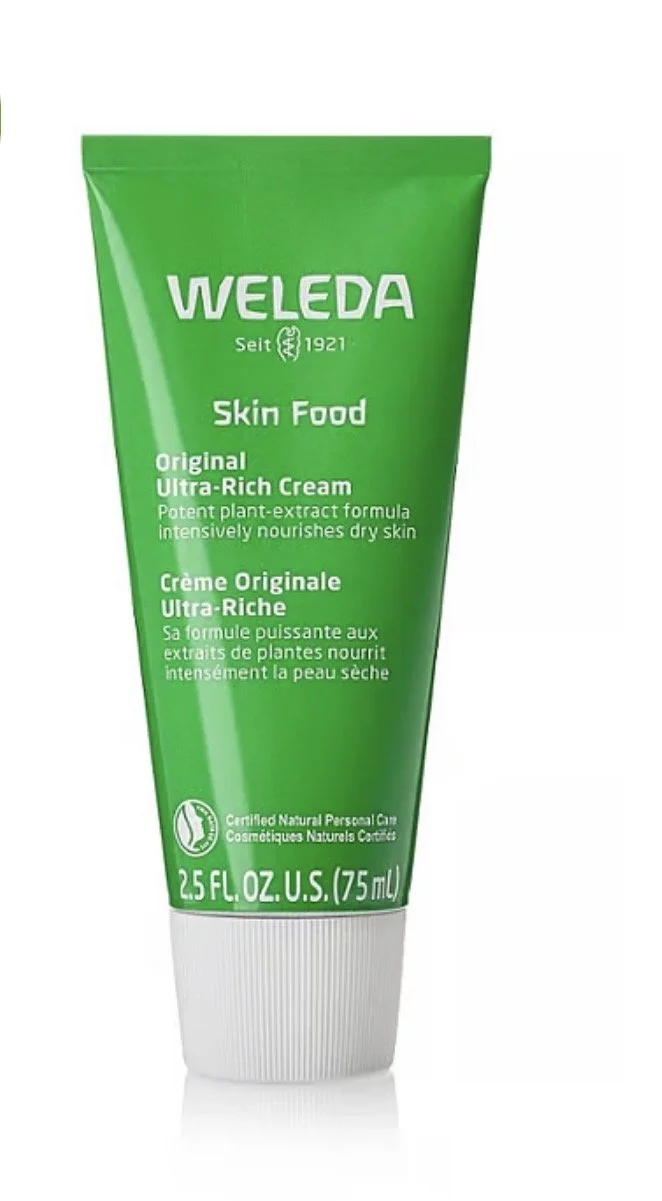
A lipid-rich moisturizer to seal everything in and prevent transepidermal water loss
I avoid layering multiple actives at night. Overuse of exfoliants and strong treatments is one of the biggest causes of chronic inflammation I see, even in “good” skincare routines.
Glow Goals Tip: If your skin looks dull or reactive, the solution is usually fewer actives and more barrier support and NOT another serum.
Shop The Edit
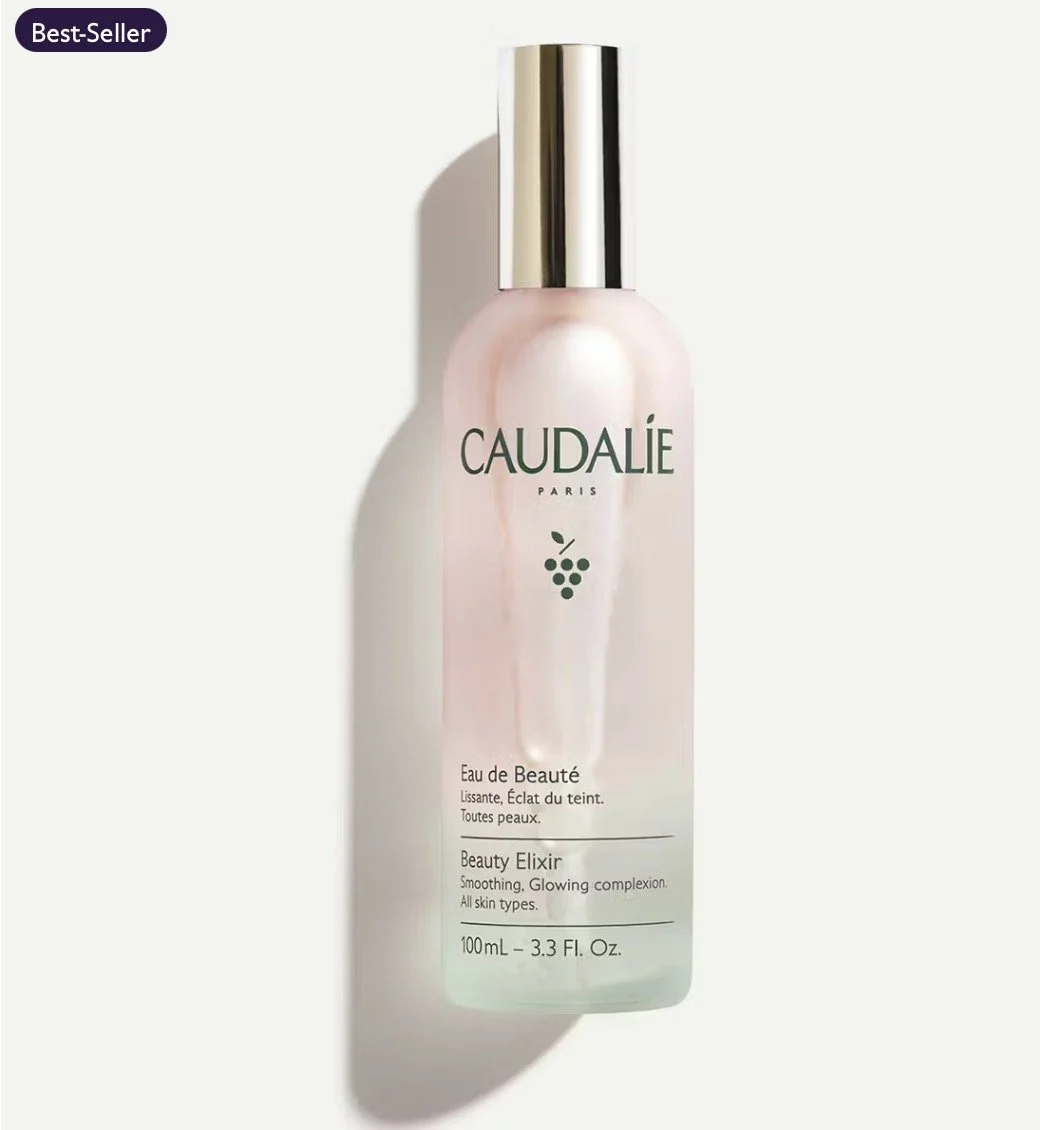

Hair Care: Protect, Don’t Style
Nighttime hair care is about minimizing damage, and hair prep for the next day to make hair styling a breeze in the morning.
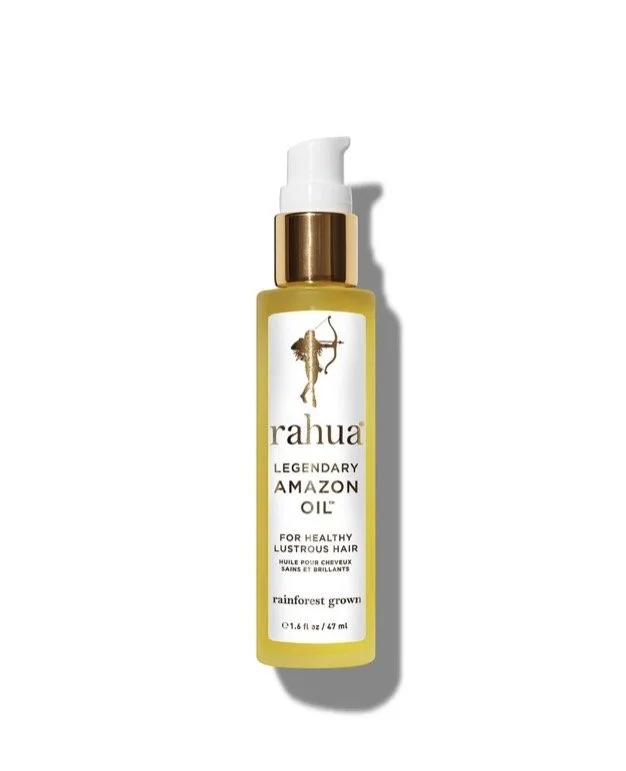
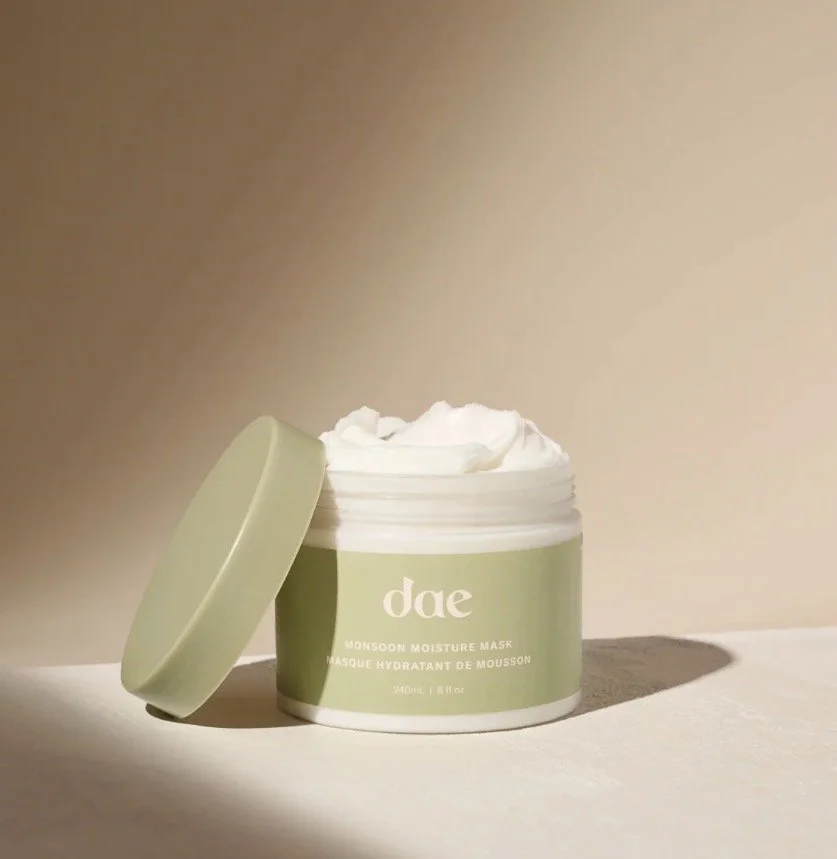
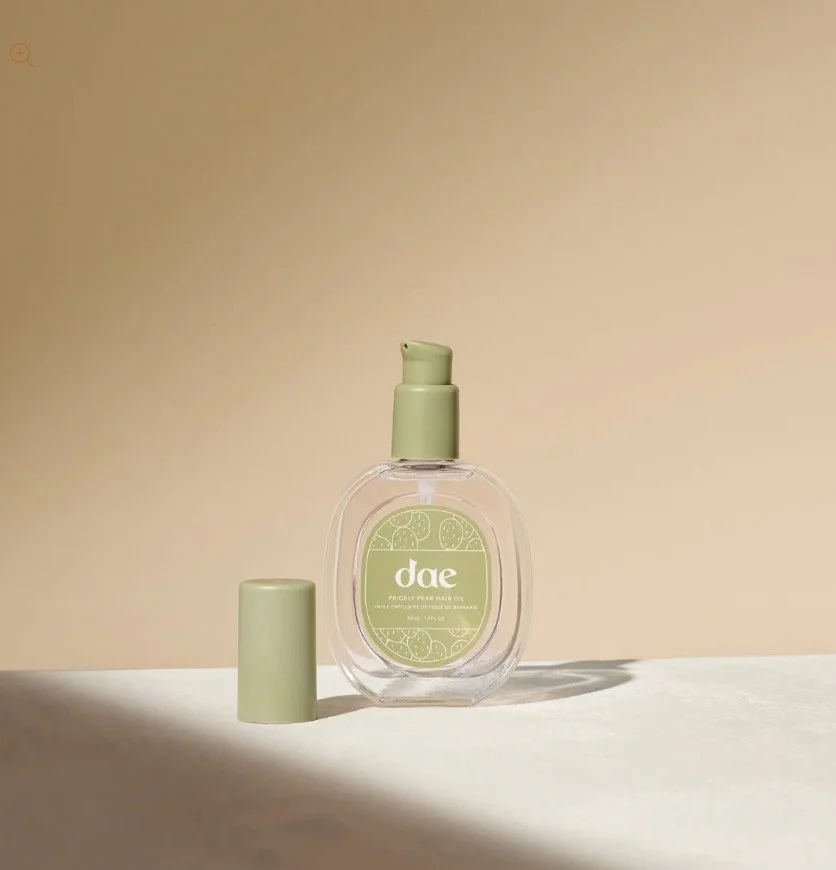
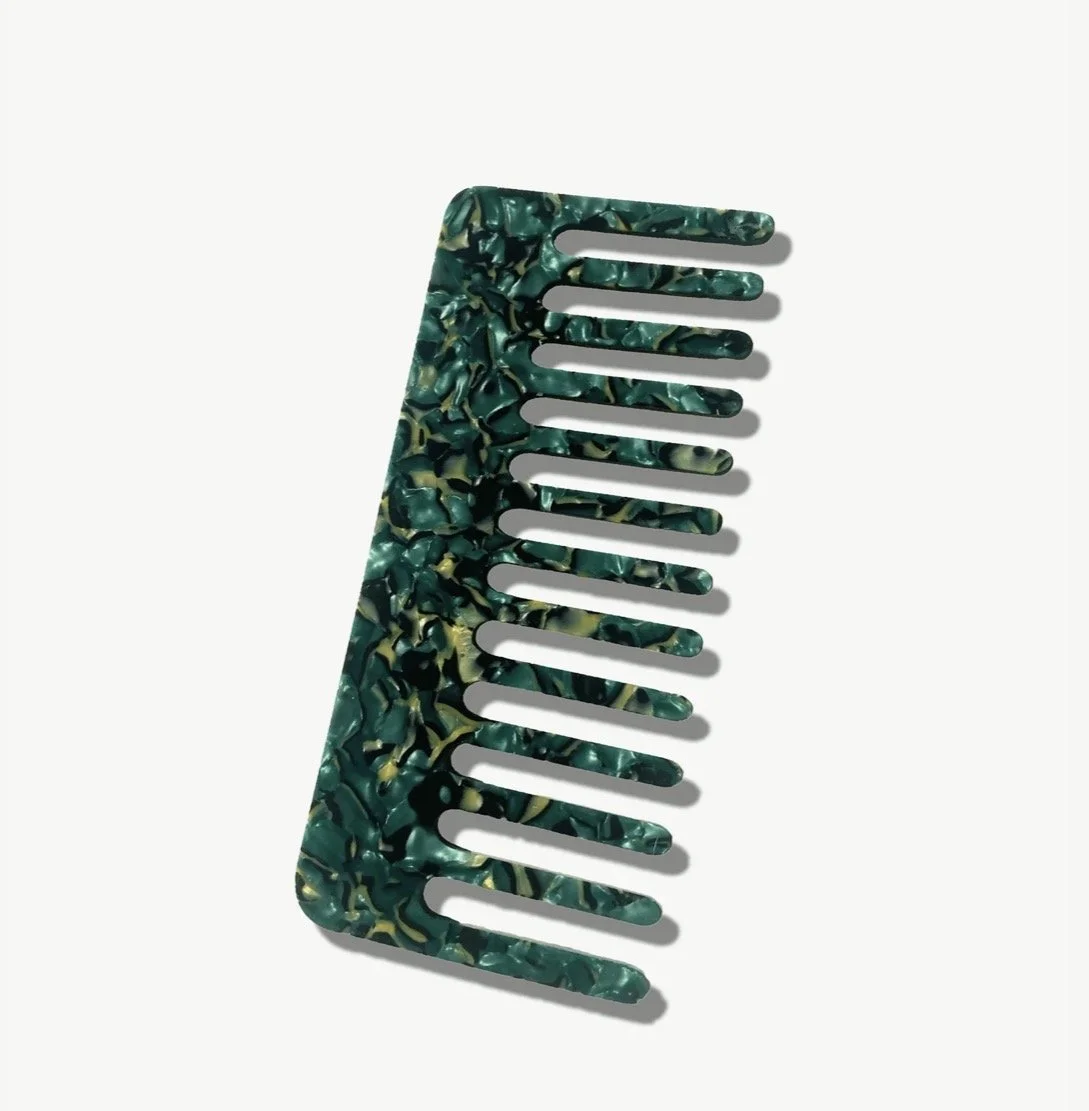
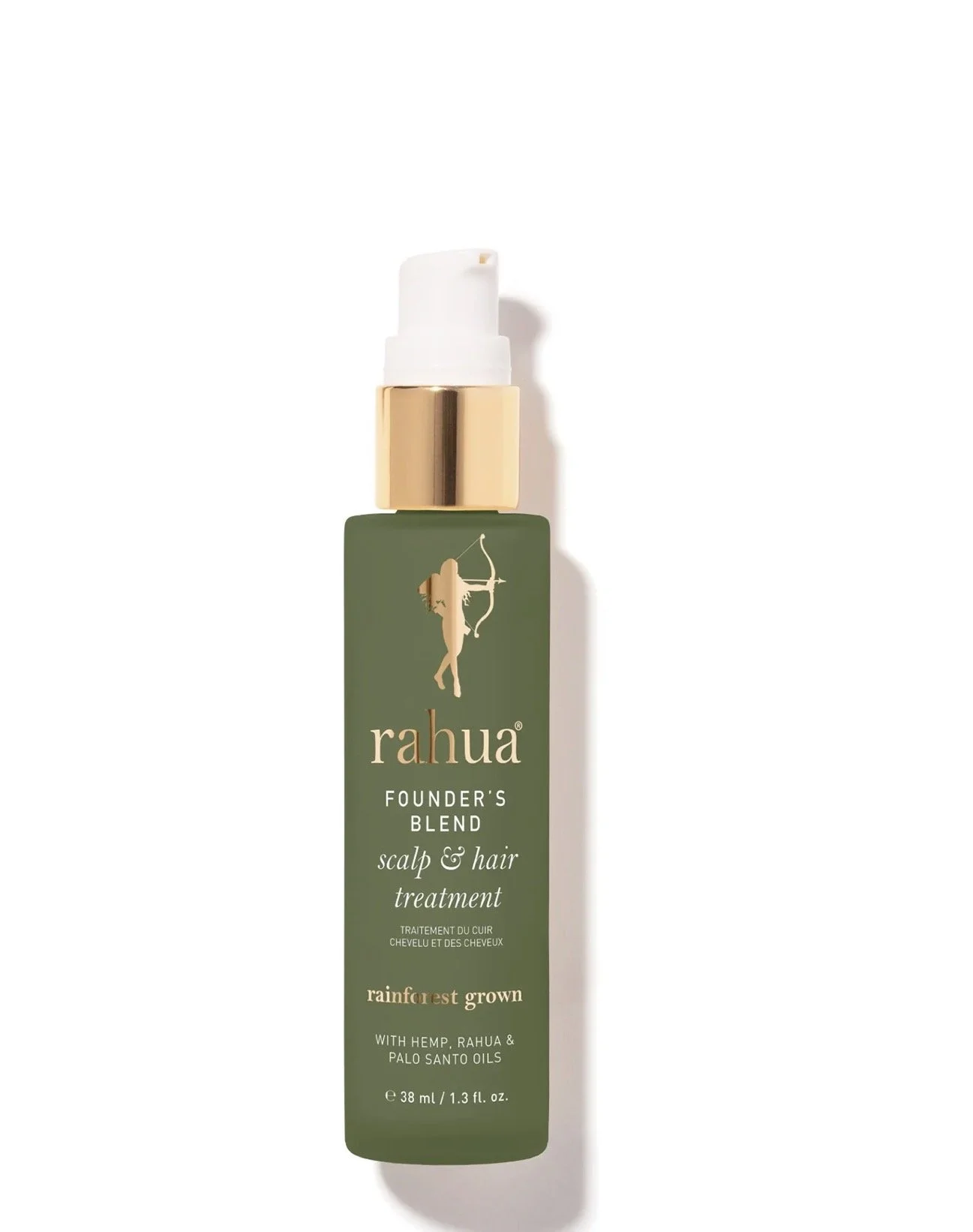
I brush through my hair to distribute natural oils, then apply a small amount of serum or oil to the mid-lengths and ends. This helps reduce moisture loss and friction overnight. Most nights, I use heatless curls or a loose braid, which protects the hair shaft and creates natural movement without stress. Sleeping on silk or satin is one of the most effective, low-effort upgrades for both hair and skin. It reduces breakage, frizz, and sleep creases.
Glow Goals Tip: Tight buns and elastics at night are a fast track to breakage, especially around the hairline.
Shop The Edit

Nervous System Wind-Down: The Step That Makes Everything Else Work
This is the part most beauty routines ignore, and it’s the most important!
Poor sleep increases inflammation, impairs skin barrier recovery, and slows collagen production. No product can compensate for a dysregulated nervous system.
About an hour before bed, I reduce stimulation: dim lighting, no overhead lights, and screens off when possible. Studies show that bright light exposure at night suppresses melatonin and delays sleep onset.
My wind-down usually includes one or two of the following:
A warm shower or bath, which helps signal sleep by lowering core body temperature afterward
Light stretching or legs-up-the-wall to support circulation and vagal tone
Slow breathing with longer exhales to reduce sympathetic activation
Magnesium or herbal tea, depending on the day
There’s no rigid routine here the consistency is in the intention, not the steps.
Glow Goals tip: If your mind races at night, your day is likely too overstimulating or under-structured. Night routines can’t fix daytime chaos but they can buffer it.
Shop The Edit

Setting Up the Next Day: An Underrated Beauty Habit
Before bed, I do a quick reset for the morning. Clothes are laid out, skincare is restocked, and I write a short to-do list by hand.This isn’t about productivity it’s about reducing cognitive load. Studies show that externalizing tasks (writing them down) lowers nighttime anxiety and improves sleep quality.Better sleep shows up everywhere: clearer skin, better digestion, more stable energy, and a calmer mood.
After years in beauty, I’ve learned that the most effective routines aren’t complicated they’re supportive. They work with your biology, not against it. Nighttime is when your body does its deepest repair, and how you spend those final hours of the day matters more than most people realize.
My. routine is not about perfection, but about consistency, intention, and supporting the biological systems that allow skin, hair, and overall wellbeing to function at their best.