Women’s Health & Hormones in Winter: How to Own Your Biochemistry

There’s something powerful even kind of luxurious about leaning into winter’s energy. It’s not just cold, dark, slower it’s a biological cue, a reset button for our hormonal system. For people with ovaries, winter isn’t an obstacle. It’s a moment to tune in, adapt, and thrive.
If you’ve ever felt more sluggish, moody, or “off” when the days shorten, you’re not imagining it. Your body is responding. And right now, mastering that response is one of the most strategic power moves you can make. This isn’t just wellness fluff: it’s about building hormonal resilience in a way that’s smart, scientifically grounded, and deeply aligned with ambition and intention.

Why Winter Matters for Your Hormones
1. Thyroid Isn’t Static It Responds to Seasons:
One of the most powerful pieces of research shows that TSH (thyroid-stimulating hormone) tends to rise in the winter months, especially in women. A meta-analysis of multiple studies found that circulating TSH levels are significantly higher in winter compared to other seasons.
In fact, in a large longitudinal study, people with subclinical hypothyroidism were 1.4 times more likely to revert to “normal” (euthyroid) status in summer/fall than in winter/spring meaning that some of our winter thyroid lab “abnormalities” might be a seasonal adaptation, not a chronic disease.
Even more concretely: in a broad cohort of nearly 33,000 women, TSH varied by about 13% across the year, peaking in winter.
Takeaway: Lab results in winter should be interpreted with nuance. The “standard” thyroid reference range doesn’t always account for seasonal shifts and this can lead to unnecessary prescriptions if not considered.
2. Your Metabolism and Circadian System Are Recalibrating:
Cold weather + shorter days = a strong signal to your circadian and endocrine systems. Your thyroid is part of this: it helps ramp up metabolism just enough to keep you warm, but that comes with energy trade-offs. In Siberian populations (e.g., the Yakut), researchers documented lower free T3 and T4 in winter alongside elevated basal metabolic rates in younger adults.
At its core, your body is adapting not malfunctioning but this adaptation can feel heavy, foggy, or misaligned if you don’t intentionally support it.
3. Climate Matters for Hormone Testing:
Temperature isn’t just background it actively influences your thyroid. A recent study of Korean adults found that exposure to colder temperatures correlated with small but real increases in TSH.
Put simply: where and when you take your labs can affect what “normal” looks like. This is not a quirk. It’s biology.

What This Means for Women’s Health in Winter and How to Lean Into It
If you want to treat your hormones like an asset not a fluctuating liability here’s how to move with intention and sophistication.
Test with Winter Context:
When ordering thyroid labs, ask your provider about seasonality. Request TSH, free T4, and, if relevant, free T3.
Track your labs over time, not just once. Establishing a “winter set-point” can help you and your clinician make smarter decisions.
Be cautious about diagnosing or treating subclinical hypothyroidism in the winter without retesting: in studies, many people’s TSH normalizes later in the year.
Build a Winter Hormonal Rhythm:
Light as medicine: Prioritize 20–30 minutes of natural morning light when possible. If you’re not near daylight, invest in a high-quality, clinically validated 10,000-lux light box.
Consistent sleep/wake: Anchor your circadian rhythm. Movement, light, and consistent timing are your allies.
Temperature awareness: Keep your sleeping environment cool but not cold. Your body is already working to generate heat; support that process gently.
Nutritional and Supplement Strategy:
Protein is non-negotiable: In winter, your body uses more energy to maintain temperature, so make sure you’re getting adequate protein across your meals.
Vitamin D: Have your 25(OH)D checked. Many people drop into insufficiency during the winter, and blanket dosing without context can backfire.
Anti-inflammatory fats: Omega-3s (EPA/DHA) support more than just heart health they contribute to hormone stability, skin glow, and possibly even mood resilience.
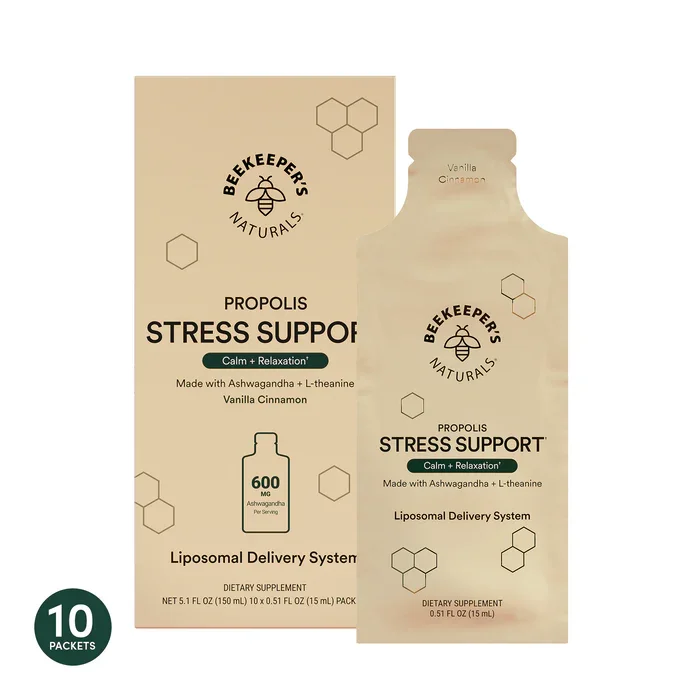
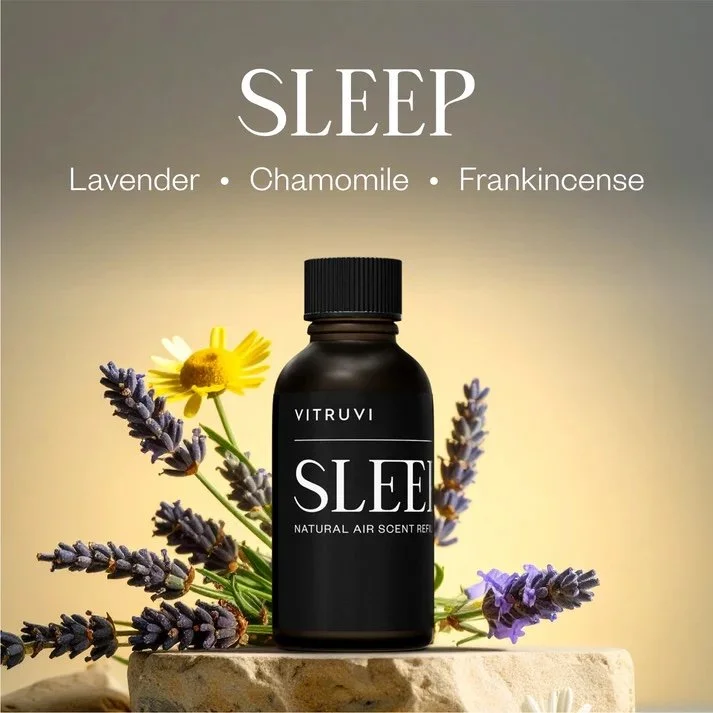
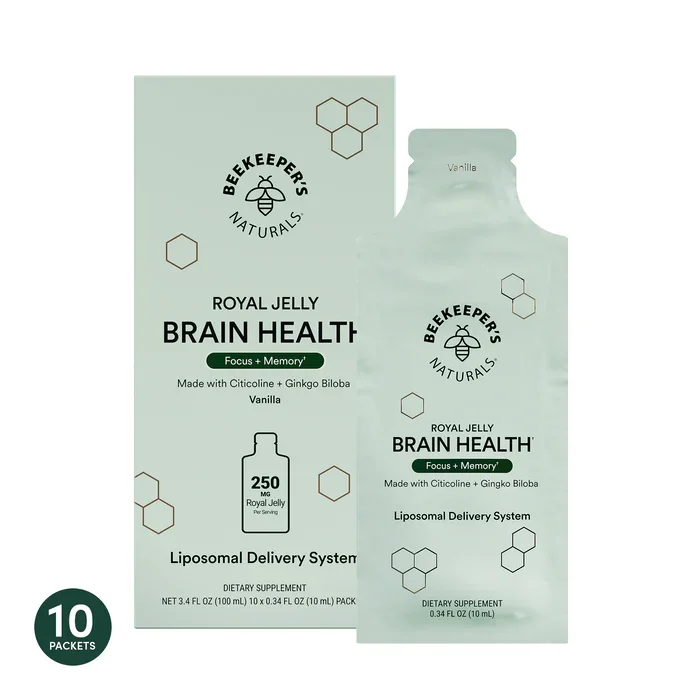
Shop The Edit

Lifestyle as Hormone Strategy:
Grounded movement: Strength training 1–2x per week + a brisk walk outdoors (if possible) gives your metabolism and mood exactly what they need.
Strategic self-care: Choose one high-value “luxury ritual” per week a bath, red-light therapy, or a quiet candle-lit journaling session. It’s not indulgent; it’s intentional.
Emotional check-ins: Use a short daily ritual (5 minutes) to track your mood, stress, and energy. Consider therapy, coaching, or community if you feel persistently “off“.
When to Bring in Clinical Help
If your TSH or thyroid labs are out of whack in winter and you’re symptomatic (fatigue, brain fog, cold intolerance), talk with an endocrinologist or functional medicine provider about seasonal interpretation.
If you’re on thyroid medication and feel worse in the cold months, it’s worth exploring whether your dose or timing needs adjustment.
If you’re struggling with mood shifts, libido, or disruption in your menstrual cycle, connect with a hormone specialist sometimes seasonal hormones are the missing piece.

The Bigger Picture: Power, Biology & Winter Alignment
Here’s what I want you to hold close: your body is not broken in winter it’s adapting. The “winter dip” is real, but it’s also a design opportunity. When you understand the science, you can build rituals that feel powerful, not punishing.
This isn’t about simply surviving the season. It’s about owning your biology in a way that aligns with your ambition, your body, and your vision for 2026. When you’re tuned in, informed, and intentional, winter becomes a place of strength not a setback.